Stable Storage: How to Make Your Garage Shelves and Racks Safe and Secure

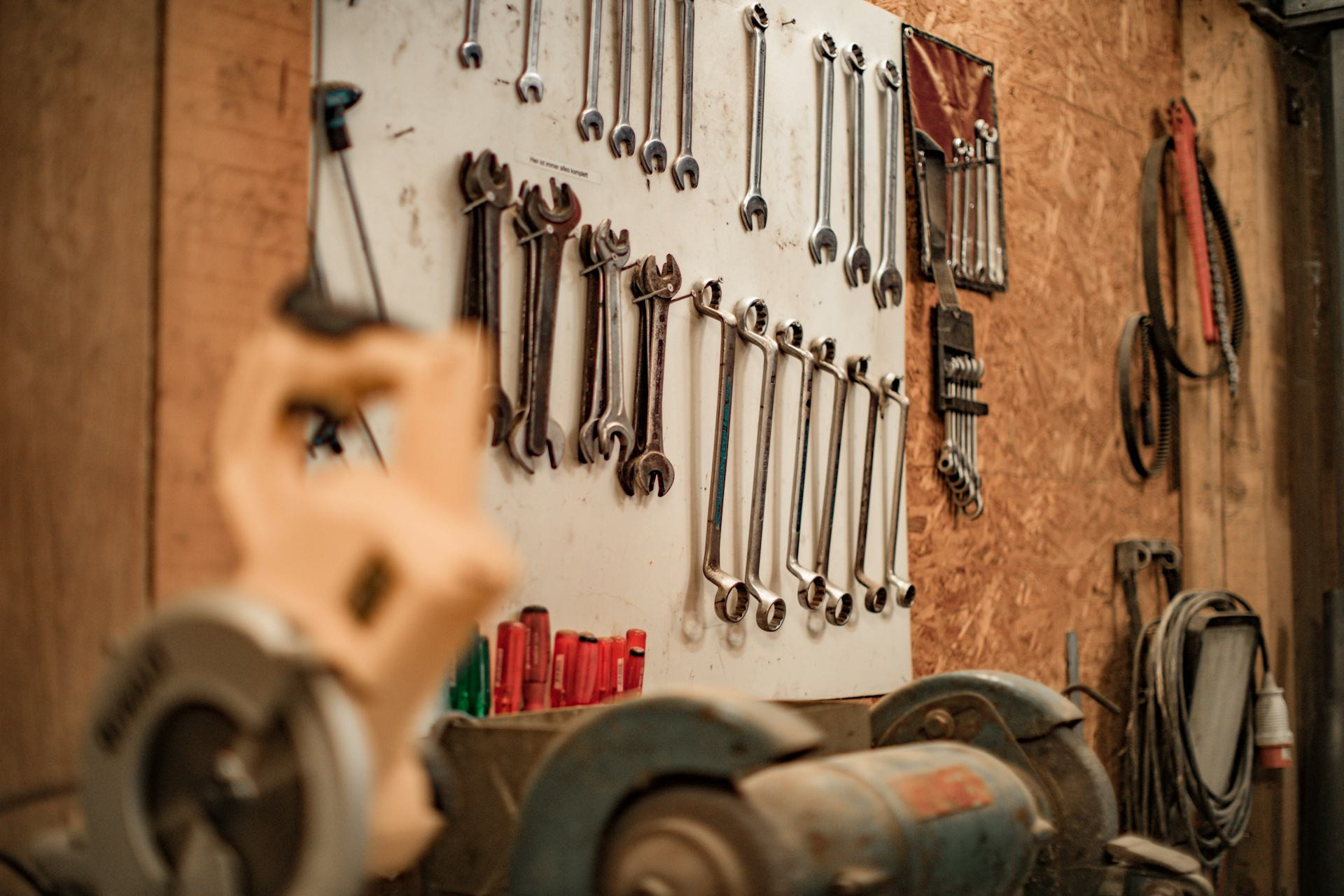
Stable Storage: How to Make Your Garage Shelves and Racks Safe and Secure
For many Americans, the garage is more than just a place to park the car. It’s a workshop, a storage area, and sometimes even a mini home improvement center. But without sturdy shelves and racks, it can quickly turn into a cluttered and unsafe space. A wobbly shelf or an overloaded rack can tip over, causing damage or injury. Here’s a practical guide to making sure your garage storage is safe, stable, and built to last.
Start with a Plan
Before you start buying or installing new shelves, take a moment to plan your layout. Think about what you need to store. Heavy items like paint cans, power tools, and car parts require stronger shelving than lightweight boxes of holiday decorations.
Measure your garage carefully. Note where the car needs to fit, where outlets and windows are, and where you’ll need easy access. Sketch a simple floor plan to help you visualize the space and avoid buying shelves that are too large or too small.
Also consider materials. Steel shelving units are strong and ideal for heavy-duty storage. Wooden shelves can be customized and give a warmer look, while plastic shelving is lightweight and suitable for lighter items. Choose materials that match both your needs and your budget.
Læs også:


Secure Shelves to the Wall
One of the most common mistakes is leaving freestanding shelves unsecured. Even a heavy unit can tip if bumped or unevenly loaded. Always anchor your shelves or racks to the wall.
Use sturdy brackets and screws appropriate for your wall type—masonry anchors for concrete or brick, and heavy-duty drywall anchors for stud walls. Make sure the shelves are level before tightening the screws completely. This not only looks better but also improves stability.
If you have multiple shelving units side by side, connect them with small metal brackets. Linking them together increases overall stability and reduces the risk of one unit tipping over.
Distribute Weight Properly
Even the strongest shelving can become unstable if the weight isn’t distributed correctly. Always place heavy items on the lower shelves and lighter items higher up. This lowers the center of gravity and helps prevent tipping.
Avoid overloading shelves. Check the manufacturer’s weight limits and stay within them. If you’re building your own shelves, reinforce them with support strips or brackets underneath.
Clear plastic bins are great for organizing smaller items. They keep things tidy and make it easy to find what you need without having to move heavy boxes around.
Choose the Right Hardware and Materials
When building or installing shelves, the hardware you use matters. Heavy-duty steel brackets are best for supporting weighty loads, while lighter shelves can use smaller brackets. Always use high-quality screws—cheap ones can snap, especially in humid environments like garages.
If you’re using wood, choose pressure-treated or moisture-resistant lumber. Garages can be damp or unheated, and untreated wood may warp or mold over time. A coat of sealant, paint, or polyurethane can extend the life of your shelves.
Think About Safety and Accessibility
Safety isn’t just about keeping shelves upright—it’s also about how you use them. Avoid storing heavy items at shoulder height, where they could fall and cause injury. Keep those on the lower shelves, and reserve the upper shelves for lighter or rarely used items.
Good lighting is essential. Install bright overhead lights or LED strips under shelves so you can see what you’re doing. A well-lit workspace makes organizing and working in the garage much safer.
Keep the floor clear of clutter. Not only does this make it easier to move around, but it also reduces the risk of tripping or knocking something over.
Maintain and Inspect Regularly
Even the most stable shelving needs occasional attention. Check periodically to make sure screws and brackets are still tight and that shelves aren’t sagging. If you notice rust on metal parts, remove it with a wire brush and apply a rust-resistant coating.
Once or twice a year, take time to reorganize. Get rid of items you no longer need and adjust your storage system as your needs change. Regular maintenance keeps your garage functional and safe.
A Secure Garage Brings Peace of Mind
When your shelves and racks are solid and secure, your garage becomes a safer, more efficient space. You’ll save time finding what you need, reduce the risk of accidents, and protect your tools and belongings. With a bit of planning, the right materials, and regular upkeep, you can create a garage that’s organized, safe, and built to last for years to come.
Læs også: