Vacuuming and Air Quality – How Your Cleaning Affects Your Home’s Indoor Environment

Vacuuming and Air Quality – How Your Cleaning Affects Your Home’s Indoor Environment
Most people think of vacuuming as a way to keep floors clean and tidy. But the way you vacuum also plays a big role in your home’s indoor air quality. Dust, pollen, pet dander, and microscopic particles can all affect the air you breathe—and, over time, your health. In this article, we’ll explore how vacuuming impacts indoor air quality and how you can make your cleaning routine healthier for everyone in your household.
Dust Is More Than Just Dirt
Household dust isn’t just made up of visible debris. It’s a mix of skin cells, fabric fibers, pollen, bacteria, and sometimes mold spores. Every time you walk across the room or fluff a pillow, some of that dust becomes airborne. Breathing it in can irritate your airways, trigger allergies, or worsen asthma symptoms.
That’s why regular vacuuming isn’t just about appearances—it’s an important part of maintaining a healthy indoor environment.
Choose the Right Vacuum
Not all vacuums are equally effective at removing fine particles. One of the most important features to look for is a HEPA filter (High Efficiency Particulate Air). A true HEPA filter can trap extremely small particles that would otherwise be blown back into the air. This is especially beneficial for households with allergy sufferers or pets.
Other factors to consider include:
- Bagged vacuums – They tend to trap dust more securely when emptied.
- Bagless vacuums – Convenient and cost-effective, but empty them carefully to avoid releasing dust.
- Robot vacuums – Great for maintaining low dust levels between deeper cleanings.
Whatever model you choose, maintenance is key. Replace filters and bags as recommended, and clean attachments and hoses regularly to maintain suction power.
Technique Matters
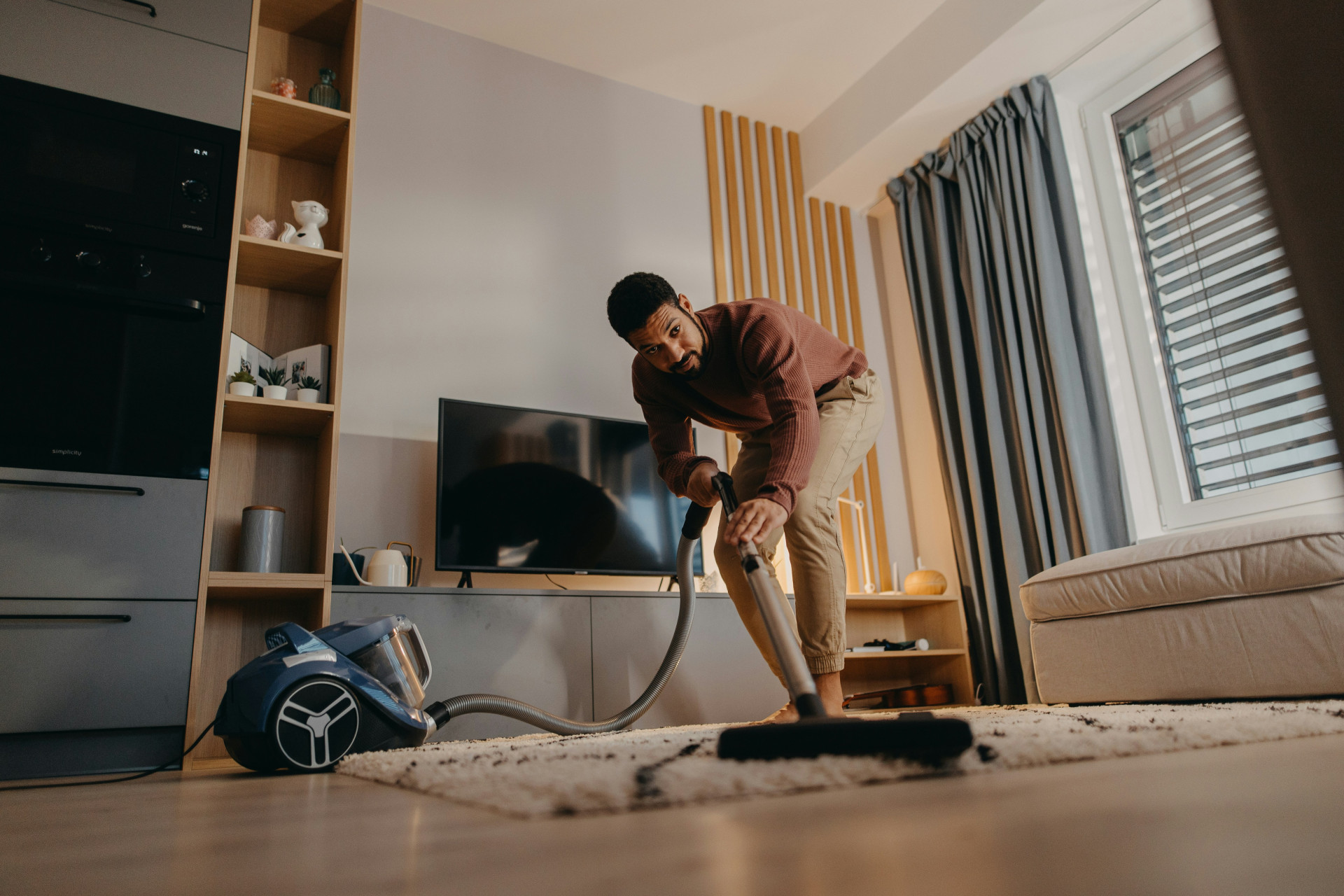
Even the best vacuum can’t do its job properly if your technique is off. Many people overlook corners, baseboards, and areas under furniture—places where dust and allergens accumulate. Use smaller attachments for tight spaces, and move the vacuum slowly so it has time to pick up fine particles.
A helpful tip: vacuum from top to bottom. Start by dusting shelves and surfaces, then finish with the floors. This way, any dust that falls during cleaning gets picked up at the end.
How Often Should You Vacuum?
The right frequency depends on your household size, flooring type, and whether you have pets. As a general guideline:
- Once or twice a week for most homes.
- Three to four times a week if you have pets or allergies.
- Daily in high-traffic areas like entryways and kitchens.
Don’t forget to vacuum upholstered furniture, mattresses, and curtains regularly—they can harbor large amounts of dust and allergens.
Vacuuming and Ventilation Work Together
While vacuuming removes settled dust, good ventilation helps clear the air of particles still floating around. After cleaning, open windows for 5–10 minutes to let fresh air circulate. This also helps control humidity, which can otherwise encourage mold growth.
If you live in a tightly sealed home or in an area with poor outdoor air quality, consider a whole-house ventilation system or an air purifier with a HEPA filter. These systems continuously refresh indoor air and reduce the buildup of dust and pollen.
Small Habits, Big Impact
A healthy indoor environment isn’t just about deep cleaning days. Small, consistent habits make a big difference:
- Dust with a damp cloth instead of a dry one to prevent particles from becoming airborne.
- Avoid shaking rugs or bedding indoors.
- Wash bedding and curtains regularly.
- Use doormats and remove shoes at the door to reduce the amount of dirt brought inside.
These simple steps, combined with effective vacuuming, can noticeably improve your home’s air quality.
A Cleaner Home and Easier Breathing
Vacuuming may not be the most exciting household chore, but its impact on your indoor air quality is significant. With the right vacuum, proper technique, and consistent habits, you can greatly reduce dust and allergens in your home. The result is a space that not only looks clean but also feels fresher and healthier to live in.