Vacation Time and Neighborly Help – How to Strengthen Safety in Your Neighborhood

Vacation Time and Neighborly Help – How to Strengthen Safety in Your Neighborhood
Summer is just around the corner, and many Americans are getting ready to hit the road or catch a flight for some well-deserved vacation time. But while you’re away enjoying the sun, your home may be left empty — and that can attract unwanted attention. Fortunately, a strong sense of community and a little neighborly cooperation can go a long way toward keeping your neighborhood safe. With some planning and teamwork, you and your neighbors can help protect each other’s homes, even when you’re miles away.
Neighborly Help – More Than Just a Friendly Wave
Looking out for your neighbors isn’t just about keeping an eye on their property. It’s about building a culture of trust and shared responsibility. When neighbors know each other, it’s easier to notice when something seems off — and that alone can discourage potential burglars.
A connected neighborhood also feels safer. It’s reassuring to know that someone nearby will notice if something unusual happens while you’re gone, and that you can return the favor when they’re away.
How to Prepare Before You Leave
Before heading out on vacation, take a few simple steps to reduce the risk of break-ins:
- Let your neighbors know when you’ll be away and how they can reach you in case of an emergency.
- Arrange for small tasks like collecting mail, watering plants, or rolling trash bins to and from the curb. A home that looks lived-in is less likely to attract attention.
- Use light timers or smart bulbs to create the impression that someone is home in the evenings.
- Secure sheds, gates, and garages — burglars often use tools found on the property to break in.
- Be cautious on social media — wait to post vacation photos until you’re back home.
Even small details, like an overflowing mailbox or dark windows for several nights in a row, can signal that no one’s home. Think like a burglar — and plan accordingly.
Organize Neighborhood Watch or Informal Check-Ins
If your neighborhood doesn’t already have a watch program, vacation season is a great time to start one. It doesn’t have to be formal — a group text, a private social media group, or a simple list of who’s home and who’s away can make a big difference.
Many communities in the U.S. also participate in Neighborhood Watch programs supported by local police departments. These programs help residents share information, report suspicious activity, and coordinate efforts to keep the area safe. Whether you join an official program or create your own version, the key is clear communication and mutual trust.
Keep the Neighborhood Lively – Even When You’re Away
A neighborhood that looks active is less appealing to criminals. Here are a few ways to keep things looking lively:
- Ask neighbors who are home to park their cars in different driveways occasionally.
- Make sure lawns and yards stay maintained — overgrown grass or uncollected newspapers can signal absence.
- Install motion-sensor lights or smart outdoor lighting to deter intruders.
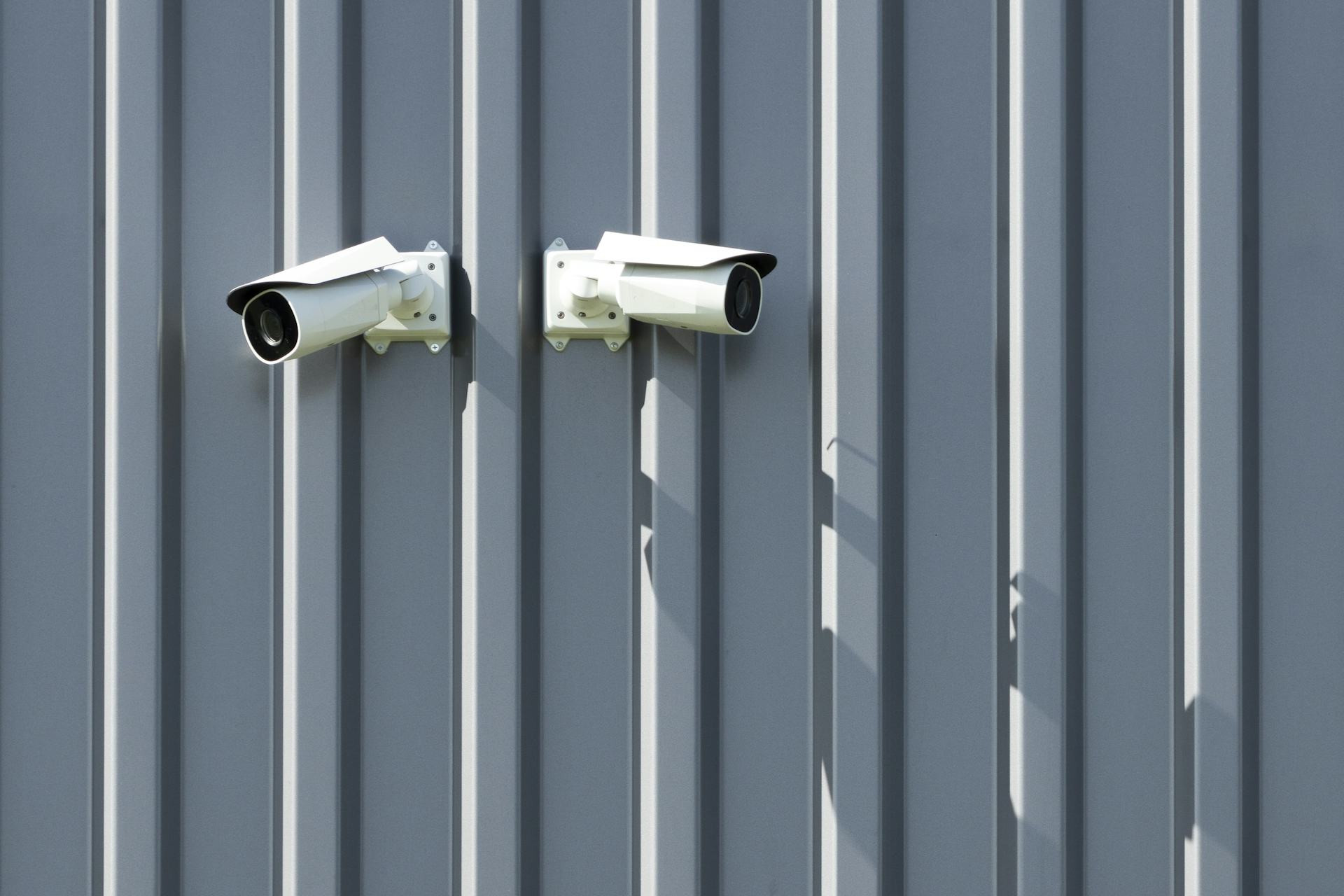
- Consider video doorbells or security cameras that send alerts if someone approaches your home.
When your neighborhood looks cared for and active, it sends a clear message: people are paying attention.
Safety Starts with Relationships
It might sound simple, but getting to know your neighbors is one of the most effective ways to prevent crime. A quick chat at the mailbox, a wave across the street, or a neighborhood barbecue can build the kind of trust that makes everyone feel safer.
When people know each other, they’re more likely to notice — and act — if something doesn’t seem right. Safety isn’t just about locks and alarms; it’s about connection and cooperation.
A Small Effort with a Big Impact
Building a safer neighborhood doesn’t require expensive technology or complicated systems — just a bit of time, awareness, and teamwork. When you look out for your neighbors, you’re also protecting your own home. A community where people care for one another is a place where everyone, from kids to seniors, can feel secure all year long.
So before you head out on vacation, take a moment to talk with your neighbors. A simple agreement to keep an eye out might be the best peace of mind you can pack.