The Nature of Cork Flooring: How It’s Affected by Moisture and Temperature Changes

The Nature of Cork Flooring: How It’s Affected by Moisture and Temperature Changes
Cork flooring has become increasingly popular in American homes for its warmth, comfort, and eco-friendly appeal. Made from the bark of the cork oak tree, it’s a renewable material that offers both sustainability and style. But like all natural materials, cork responds to its environment. Changes in humidity and temperature can influence how it looks and performs over time. Understanding these effects—and how to manage them—will help you keep your cork floors beautiful and long-lasting.
A Living Material
Cork is an organic material made up of millions of tiny, air-filled cells. This unique structure gives it its signature softness, resilience, and insulating properties. However, it also means cork expands and contracts as the indoor climate changes. Unlike synthetic flooring such as vinyl or laminate, cork “breathes” with the seasons.
When humidity rises, cork absorbs moisture and expands slightly. When the air becomes dry, it releases moisture and contracts. This natural movement is not a flaw—it’s simply part of the material’s character.
Moisture: Friend and Foe
Cork flooring performs best in a stable indoor environment with relative humidity between 40% and 60%. If humidity levels climb too high, the cork can swell, causing edges or seams to become more visible. In extreme cases, the floor may warp or lose its shape.
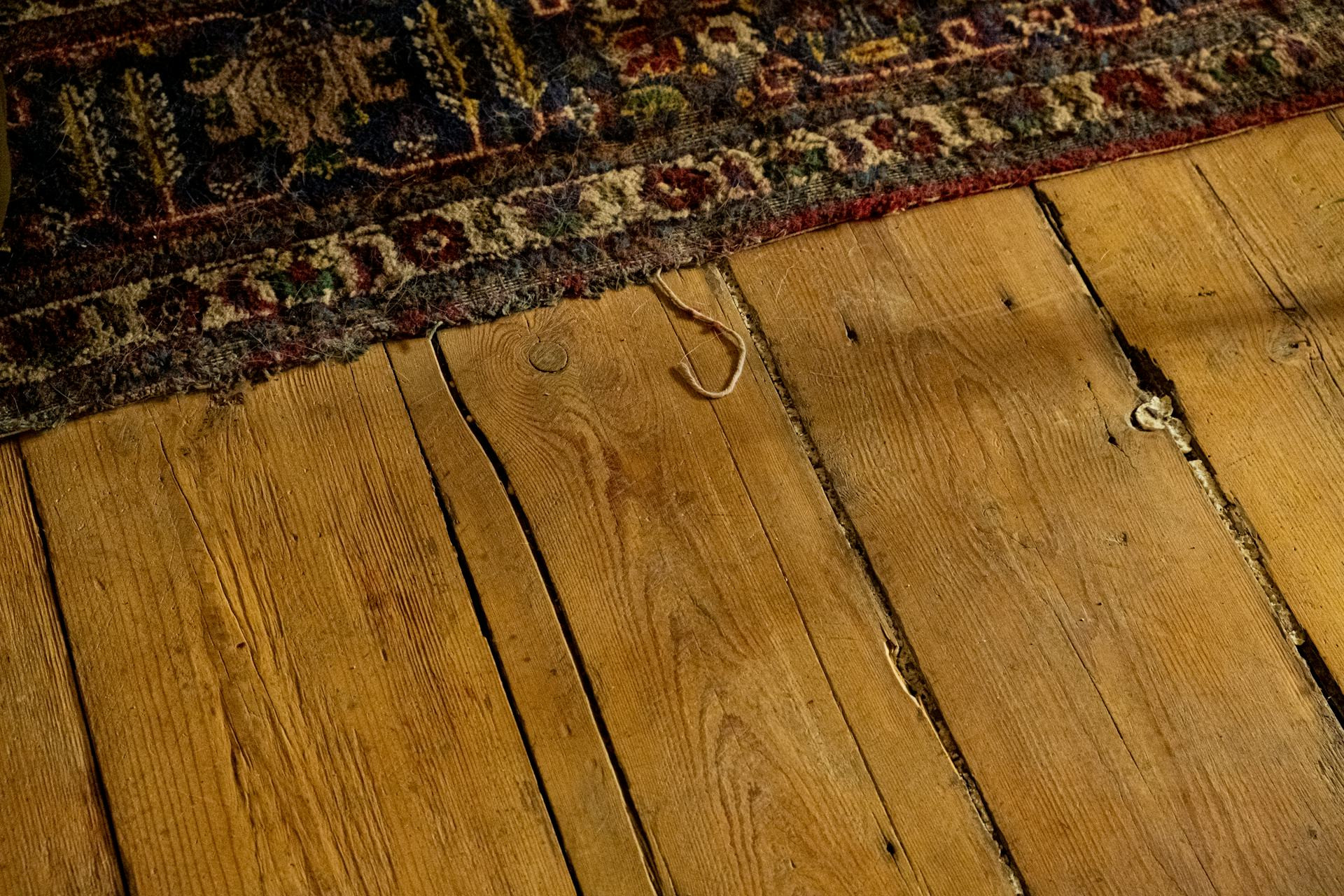
On the other hand, very dry air—common during winter heating season—can cause cork to shrink, leading to small gaps between tiles or planks. These changes are usually minor, but large fluctuations can make them more noticeable.
To prevent moisture-related issues:
- Use a humidifier or dehumidifier to maintain consistent humidity levels.
- Avoid excessive water when cleaning—use a damp, well-wrung mop instead.
- Wipe up spills immediately to prevent moisture from seeping into seams.
In high-moisture areas such as bathrooms or basements, only install cork flooring that’s specifically designed and sealed for those conditions.
The Role of Temperature
Temperature changes also affect cork’s dimensions. As temperatures rise, cork expands slightly; as they fall, it contracts. This is especially important to consider if you have radiant floor heating.
Cork works well with underfloor heating systems, but the temperature should be increased gradually. Rapid heating can cause the material to react too quickly. The surface temperature should not exceed about 80°F (27°C).
Before installation, allow cork flooring to acclimate to the room’s temperature and humidity for at least 48 hours. This helps the material adjust naturally and minimizes movement after installation.
Maintaining a Stable Indoor Climate
A balanced indoor climate is key to keeping cork flooring in top condition. A few simple habits can make a big difference:
- Ventilate regularly to exchange humid air and prevent condensation.
- Keep indoor temperatures steady—avoid large swings between day and night.
- Protect from direct sunlight with curtains or blinds to prevent drying and fading.
By maintaining a stable environment, you not only protect your flooring but also create a healthier home overall.
Care and Maintenance
Cork floors are relatively low-maintenance, but a little care goes a long way. Sweep or vacuum regularly to remove dirt and grit that can scratch the surface. Use mild, pH-neutral cleaners designed for natural materials, and avoid harsh chemicals.
If your cork floor has a polyurethane finish, it can be refinished over time to restore its shine and moisture resistance. Oiled cork floors can be refreshed with a new coat of oil when they start to look dull.
A Natural Choice with Character
Cork flooring offers a rare combination of comfort, beauty, and sustainability. Its natural warmth and resilience make it a pleasure underfoot, while its renewable origins make it an environmentally responsible choice. Because cork is a living material, it requires a bit of attention to indoor conditions—but with proper care, it can remain stunning and durable for decades, adding a natural, inviting touch to any American home.