Get Financial Support for Insulation – A Money-Saving Opportunity for Homeowners in High-Energy-Cost Areas

Get Financial Support for Insulation – A Money-Saving Opportunity for Homeowners in High-Energy-Cost Areas
When energy prices rise, homeowners feel it directly in their utility bills—especially those living in older houses with poor insulation. The good news is that several federal, state, and local programs can help cover the cost of energy-efficient upgrades such as attic, wall, and floor insulation. These programs make it easier to reduce your energy use, lower your bills, and improve your home’s comfort. Here’s how you can take advantage of available financial support for insulation and why it’s a smart move—particularly if you live in an area with high energy costs.
Why Insulation Is a Smart Investment
Insulation isn’t just about keeping your home warm in winter and cool in summer—it’s also about saving money. Poorly insulated homes lose heat through the roof, walls, and floors, forcing your heating or cooling system to work harder. That means higher energy bills and unnecessary energy waste.
By upgrading your insulation, you can typically cut heating and cooling costs by 20–40 percent. You’ll enjoy a more comfortable indoor climate, increase your home’s resale value, and reduce your carbon footprint. In short, insulation is one of the most cost-effective home improvements you can make.
Types of Insulation Eligible for Financial Support
Most incentive programs cover energy-efficiency improvements that can be verified to reduce energy consumption. Common insulation projects include:
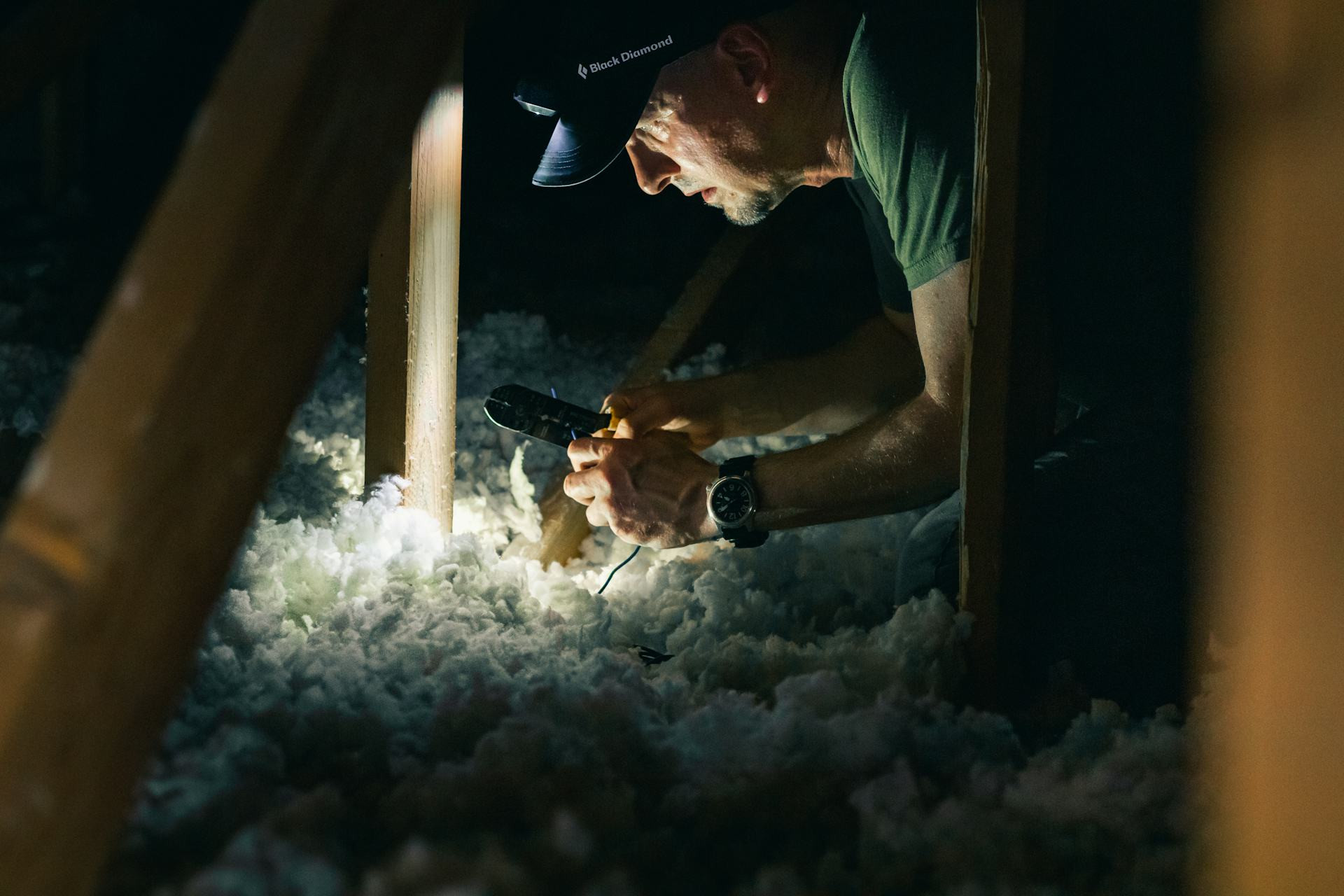
- Attic insulation – Often the most effective upgrade, since heat rises and escapes through the roof.
- Wall insulation – Adding insulation to exterior or cavity walls can significantly improve energy performance.
- Floor or basement insulation – Especially beneficial in older homes with uninsulated floors or crawl spaces.
- Pipe insulation – A low-cost way to prevent heat loss from hot water pipes.
- Air sealing and weatherization – Sealing leaks around windows, doors, and ducts complements insulation and boosts efficiency.
To qualify for rebates or tax credits, the work usually needs to be done by a licensed contractor using approved materials that meet energy-efficiency standards.
How to Apply for Financial Support
There are several ways U.S. homeowners can get financial help for insulation projects:
- Federal tax credits – Under the Inflation Reduction Act, homeowners can claim a tax credit of up to 30% of the cost of qualifying insulation and air sealing materials, up to a set annual limit.
- State and local rebate programs – Many states and utilities offer rebates or cash incentives for energy-efficient home improvements. Check your state’s energy office or local utility website for details.
- Weatherization Assistance Program (WAP) – A federal program that provides free energy-efficiency upgrades, including insulation, for low-income households.
- Energy-efficient home improvement loans – Some banks and credit unions offer low-interest “green loans” that can be combined with rebates or tax credits.
It’s important to research your options before starting the project, as most programs require you to apply before the work begins.
Especially Beneficial in High-Energy-Cost Areas
If you live in a region with high electricity or natural gas prices—such as parts of the Northeast, Midwest, or West Coast—the savings from better insulation can be substantial. In these areas, the payback period for insulation improvements is often just a few years.
Rising energy prices also make incentive programs more valuable, since the potential savings on your utility bills increase. Combining financial support with long-term energy savings makes insulation a win-win investment.
Get Professional Advice
Before you start, consider having a certified energy auditor assess your home. An audit can identify where your home is losing energy and which insulation upgrades will deliver the biggest savings. Many contractors can also help you navigate rebate applications and ensure your project meets all program requirements.
A Smart Move for Your Wallet and the Planet
Improving your home’s insulation is one of the most effective ways to cut energy use and lower costs. With today’s financial incentives, you can get help covering the upfront expense while making your home more comfortable and environmentally friendly.
For homeowners in high-energy-cost areas, this is an ideal opportunity to future-proof your home, reduce dependence on expensive energy sources, and enjoy lasting savings year after year.