A practical guide to adding livable, light-filled space to your Florida home
Florida homeowners spend more time outdoors than almost anyone else in the country, yet the weather does not always cooperate. Intense summer heat, afternoon thunderstorms, humidity, and biting insects can cut outdoor time short even in the best months. A Florida room solves that problem elegantly by bringing the feeling of being outside into a protected, comfortable, and fully usable living space.
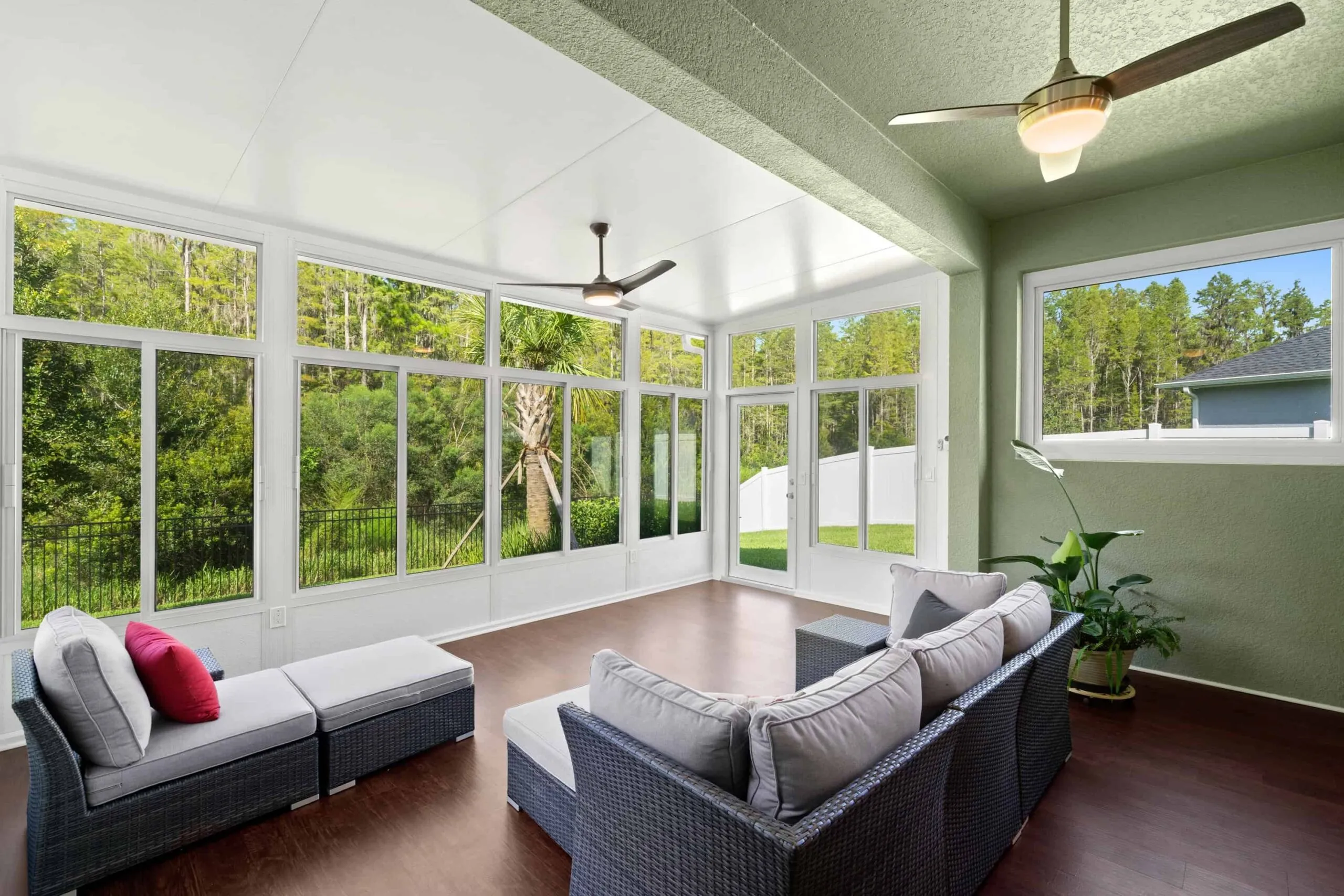
Whether you call it a sunroom, a garden room, a patio room, or simply an enclosed porch, the Florida room is a distinctly Floridian addition built around the realities of the state's climate. Done well, it expands how you use your home every day, adds livable square footage, and can meaningfully increase property value.
Key Takeaways
Year-Round Usability: A properly designed Florida room uses insulated glass systems and energy-efficient materials to remain comfortable in every season, not just the mild months.
More Than Extra Space: Florida rooms function as family rooms, reading retreats, garden rooms, dining areas, or outdoor-adjacent entertaining spaces depending on how you furnish and use them.
Built for Florida Conditions: Unlike generic sunrooms designed for temperate climates, Florida-specific rooms are engineered for wind zones, humidity, intense UV exposure, and storm requirements unique to the state.
Lower-Impact Than a Full Addition: Florida rooms add livable square footage more cost-effectively and with less construction disruption than traditional stick-built room additions.
Professional Design and Permitting Matter: Because Florida building codes carry specific structural and glass performance requirements, working with an experienced, licensed contractor is essential to a successful outcome.
What a Florida Room Actually Is
The term "Florida room" is used loosely, which causes some confusion when homeowners start researching options. At its core, a Florida room is an enclosed living space added to a home, typically adjoining the back of the house where a patio, lanai, or screened porch once stood. It is fully enclosed with glass wall systems rather than open screens, and it is designed for use as a proper living space rather than a purely seasonal or transitional area.
Florida rooms are sometimes called patio rooms, garden rooms, or three- and four-season rooms depending on their insulation and climate control capabilities. The term also overlaps with sunrooms and solariums, though a Florida room's distinguishing characteristic is its engineering for Florida-specific weather: sustained heat, high humidity, strong UV radiation, and wind exposure from tropical storms.
Unlike a California room, which typically refers to an open indoor-outdoor living concept, a Florida room is fully enclosed. It keeps rain, insects, and excessive heat outside while allowing natural light and outdoor views to come in.
Why Florida Rooms Work So Well in the Sunshine State
The appeal of a Florida room is intuitive once you have spent a summer afternoon watching a backyard thunderstorm roll in and realizing there is nowhere comfortable to sit and enjoy it from.
A well-built Florida room changes that entirely. The same storm that would send you inside becomes something to watch from a dry, comfortable space with unobstructed glass views in every direction. The late afternoon sun that makes a traditional porch unbearable from June through September becomes warm ambient light through energy-efficient, UV-filtering glass. The morning humidity that discourages early coffee outside becomes irrelevant when you are sitting in a climate-controlled room that still feels connected to the garden.
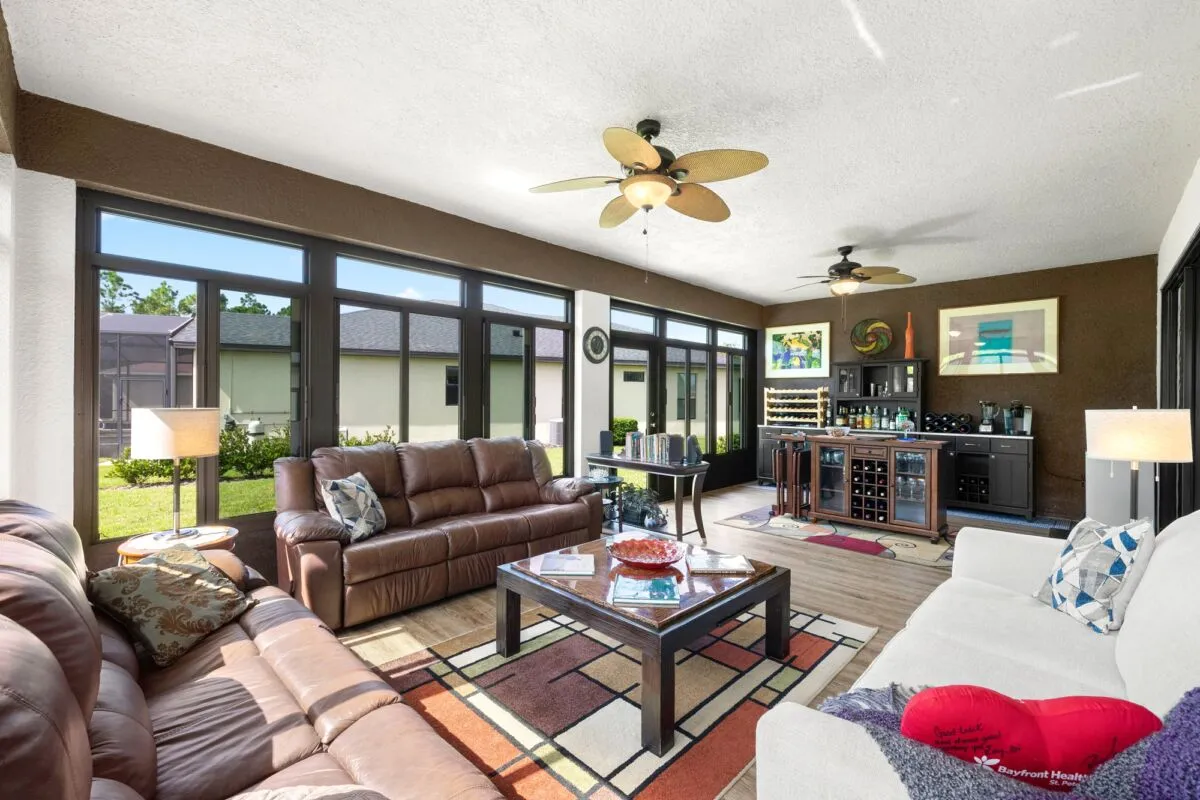
Beyond weather protection, Florida rooms offer something harder to quantify: a transition space between the structured interior of a home and the open feeling of the outdoors. That quality makes them enormously versatile.
What You Can Do with a Florida Room
One of the practical strengths of a Florida room is that it adapts to how you actually live. Common uses include a bright and relaxed family living area separate from the main living room, a garden room filled with tropical plants that thrive in the abundant natural light, a dining area that feels open and airy without the complications of outdoor dining, a reading or lounging retreat away from the main household, and an entertaining space that comfortably accommodates guests regardless of weather.
Because Florida rooms are built for year-round use, they also evolve as households change. A garden room in one decade may become a playroom, a home office, or a quiet retreat in the next without any structural changes required.
How Florida Rooms Are Built for Florida's Climate
This is where Florida room construction differs meaningfully from generic sunroom products. Florida's building codes impose specific requirements around wind load performance, glass impact ratings, structural integrity in designated wind zones, and roof integration with existing structures. A room built to meet those standards delivers long-term performance. One that cuts corners on them does not.
High-performance Florida rooms designed for Florida conditions typically use engineered window wall systems with full-view memory screens, allowing for maximum unobstructed glass surface area. Studio or cathedral roof styles integrate with the existing home's roofline rather than sitting awkwardly on top of it. Insulation is built into the roof and wall systems to manage the thermal demands of Florida's climate, keeping cool air in during summer and maintaining comfortable temperatures when cooler nights arrive in winter.
Glass performance is particularly important. Standard glass amplifies heat dramatically in direct Florida sun. High-quality Florida rooms use glass engineered to block UV radiation and reduce solar heat gain, which maintains comfortable temperatures, reduces the load on air conditioning, and protects furniture, flooring, and plants from sun damage over time.
Materials throughout a Florida room are selected for low maintenance and long-term durability in a high-humidity, high-UV environment. The goal is a space that looks excellent and performs well for decades, not one that requires significant ongoing attention or replacement.
Florida Rooms and Property Value
A Florida room addition is typically considered a type of home addition that increases livable square footage, which makes it relevant to a home's overall value. Because it is built using engineered enclosure systems rather than traditional stick-built construction, it is generally more cost-effective to build and less disruptive to the existing home than a conventional room addition. It also tends to complete faster, since much of the system is manufactured and then assembled on site rather than built entirely from raw materials.
The value contribution of a Florida room is closely tied to how well it is integrated with the home. A room that looks and feels intentional, that uses glass systems and rooflines that complement the existing structure, and that is built to local code consistently adds more perceived and actual value than one that reads as a patio enclosure added on as an afterthought.
What to Think About Before Getting Started
For homeowners considering a Florida room addition, a few practical considerations shape the planning process.
The size and layout of the space being enclosed matters. Florida rooms added over an existing concrete slab are simpler and more cost-effective than those requiring new foundation work. The orientation of the addition affects sunlight exposure and glass performance requirements. A room facing west in Tampa will have very different solar heat gain characteristics than one facing east, and glass selection should account for that.
Roof integration is one of the most visible quality markers in a Florida room. A well-designed addition uses a roof system that ties naturally into the existing home, matching pitch and materials where possible rather than sitting on top of the structure like an independent unit.
Permits and inspections are required for Florida room additions throughout the state. Working with a licensed, insured contractor who manages the permitting process from the beginning avoids the complications that arise when additions are built without proper approvals or do not meet wind zone or building code requirements.
Finding the Right Contractor for a Florida Room
Florida room construction is a specialty that rewards working with contractors who have direct, documented experience building in the state's specific conditions.
Florida rooms require an understanding of local building codes, wind zone classifications, glass performance standards, and the practical realities of Florida weather in a way that general contractors from other regions may not fully grasp.
Questions worth asking any contractor before committing include how they handle the permitting and inspection process, what glass systems and wall enclosure products they use and why, how they integrate the roof with the existing home, and what their process looks like from initial consultation through final walkthrough. A contractor who handles every aspect of the project, from design and permitting through construction and post-completion support, reduces the coordination burden on the homeowner considerably.
A Smart Addition for Florida Living
Florida rooms occupy a unique position in home improvement because they address something specific to how life is actually lived in the state. They are not a generic home upgrade that happens to be installed in Florida. They are a response to Florida's climate, culture, and the genuine desire most residents have to spend time outdoors without surrendering comfort or safety.
When designed thoughtfully and built correctly, a Florida room becomes one of the most used spaces in a home. It earns its place not as an occasional seasonal room but as a daily part of how the household functions, from morning coffee to evening conversation, from rainy afternoons to sunny winter days. That kind of consistent, practical value is exactly what a good home addition should deliver.
