Flexible Wardrobes: Smart Solutions That Adapt to Your Family’s Needs

Flexible Wardrobes: Smart Solutions That Adapt to Your Family’s Needs
A wardrobe is no longer just a place to hang clothes. In today’s homes, it needs to handle everything from coats and shoes to sports gear, linens, and the ever-changing needs of a growing family. That’s why flexible wardrobe systems are becoming increasingly popular—modular solutions that can evolve with your household and lifestyle. Here’s how to design a wardrobe that’s practical, stylish, and ready for the future.
A Wardrobe That Grows With Your Family
When kids are young, storage is all about keeping track of jackets, sneakers, and backpacks. As they grow, their needs change—teenagers may want more hanging space and mirrors, while parents might prefer a calm, organized area for everyday outfits.
Flexible wardrobes make it easy to adjust as your family’s routines shift. With adjustable shelves, movable rods, and expandable modules, you can reconfigure your storage without replacing the entire system. It’s a smart way to keep your home organized through every stage of life.
Plan Around the Room’s Purpose
Before choosing a wardrobe system, think about how the space is used. An entryway needs quick access and durable materials, while a bedroom might focus on serenity and design.
- Entryway: Go for open storage with hooks, shoe racks, and baskets so everyone can grab what they need on the way out.
- Kids’ Room: Install shelves and rods at child height to encourage independence and make cleanup easier.
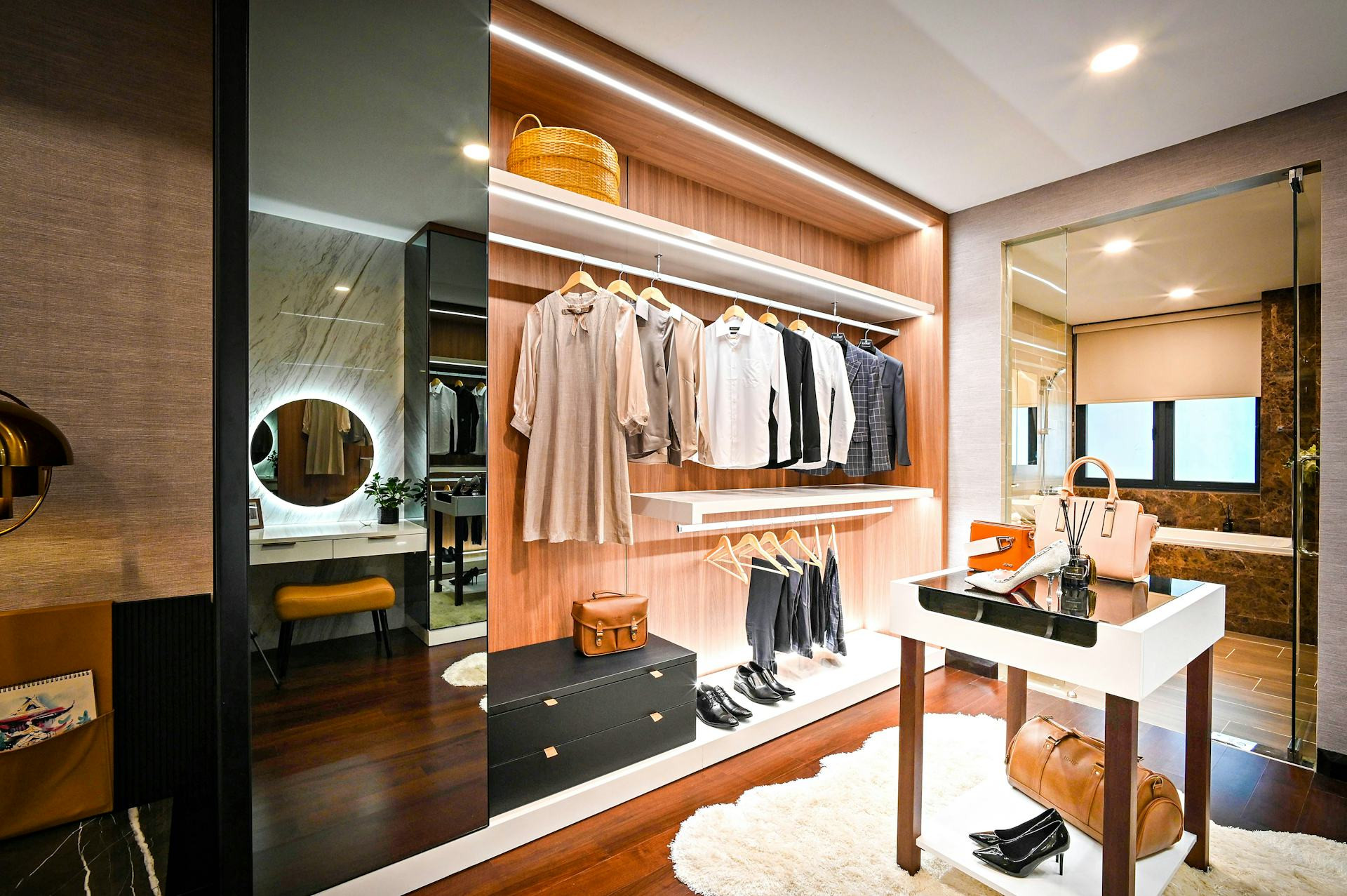
- Bedroom: Choose closed fronts and integrated lighting for a calm, polished look.
- Laundry or Mudroom: Combine clothing storage with space for cleaning supplies, sports gear, and laundry baskets.
By designing with function in mind, you’ll create a wardrobe that works beautifully day to day—not just one that looks good.
Smart Details That Simplify Everyday Life
It’s often the small touches that make the biggest difference. Full-extension drawers, pull-out racks, and built-in mirrors can make your wardrobe more efficient and enjoyable to use.
Lighting is another key detail. Motion-sensor LED lights that turn on automatically when you open the door make it easier to find what you need, even in early-morning rushes.
For busy families, consider dividing the wardrobe into zones—one for each person or for different types of clothing (work, casual, sports). This saves time and keeps clutter under control.
Sustainable and Durable Materials
A flexible wardrobe should last for years, so it’s worth investing in materials that are both durable and eco-friendly. Laminated finishes, solid wood, or recycled materials can provide a beautiful look while being easy to maintain. Many U.S. manufacturers now offer modular systems where individual parts can be replaced or expanded, reducing waste and cost over time.
Design With Personality
Functionality matters, but your wardrobe should also reflect your family’s style. Choose colors, handles, and finishes that complement the rest of your home. Sliding glass doors can create a sleek, modern feel, while wood fronts add warmth and texture.
Mix open and closed sections for balance—open shelves for everyday items and closed cabinets for things you’d rather keep out of sight. The result is a personalized, harmonious space that feels both practical and inviting.
An Investment in Everyday Calm
A well-designed wardrobe isn’t just about storage—it’s about creating order and peace in your daily life. When everything has its place, mornings run smoother, and your home feels more balanced.
Flexible wardrobes are an investment in both function and well-being. They allow your home to adapt gracefully as your family grows and changes—without sacrificing style or comfort.