Facade Maintenance as a Regular Routine – Plan Your Annual Maintenance Schedule

Facade Maintenance as a Regular Routine – Plan Your Annual Maintenance Schedule
A well-maintained facade is more than just curb appeal – it’s your home’s first line of defense against weather, moisture, and time. Sun, rain, snow, and pollution gradually wear down exterior surfaces, leading to cracks, discoloration, and costly repairs if left unchecked. By establishing a regular maintenance routine, you can extend the life of your facade, protect your investment, and keep your home looking its best. Here’s how to plan and carry out an annual maintenance schedule that fits the American climate and lifestyle.
Know Your Facade – and Its Needs
Before you can plan your maintenance, you need to understand what your facade is made of. Each material has its own strengths, weaknesses, and maintenance requirements.
- Brick is durable and low-maintenance, but mortar joints can deteriorate over time. Inspect for cracks or crumbling mortar, and remove moss or mildew to prevent moisture intrusion.
- Stucco should be checked for cracks and chips. Even small openings can allow water to seep in, leading to bigger problems down the road.
- Wood siding requires regular cleaning, painting, or staining to protect against moisture and UV damage. In humid or coastal areas, more frequent upkeep may be needed.
- Vinyl and fiber cement siding are popular for their durability, but they can still collect dirt, algae, and stains that should be cleaned off periodically.
- Stone or concrete facades are strong but not maintenance-free. Keep an eye out for efflorescence (white salt deposits) and clean gently to preserve the surface.
Once you know your material and its vulnerabilities, you can tailor your maintenance plan accordingly.
Create an Annual Plan – Season by Season
Breaking your maintenance into seasonal tasks makes it easier to stay on top of things without feeling overwhelmed. Here’s a suggested schedule:
- Spring: Start with a thorough inspection. Look for cracks, peeling paint, or signs of moisture damage. Clean off dirt, mildew, and cobwebs that have built up over winter.
- Summer: This is the best time for repairs and painting since the weather is warm and dry. Repoint brickwork, patch stucco, or repaint wood siding as needed.
- Fall: Clear gutters and downspouts to ensure proper drainage away from the facade. Remove leaves and debris that can trap moisture against the walls.
- Winter: Keep an eye out for frost damage, ice buildup, or peeling paint. Avoid pressure washing or painting in freezing temperatures, as it can harm the surface.
By following a steady rhythm, you’ll catch small issues before they turn into major repairs.
Cleaning – The Key to Prevention
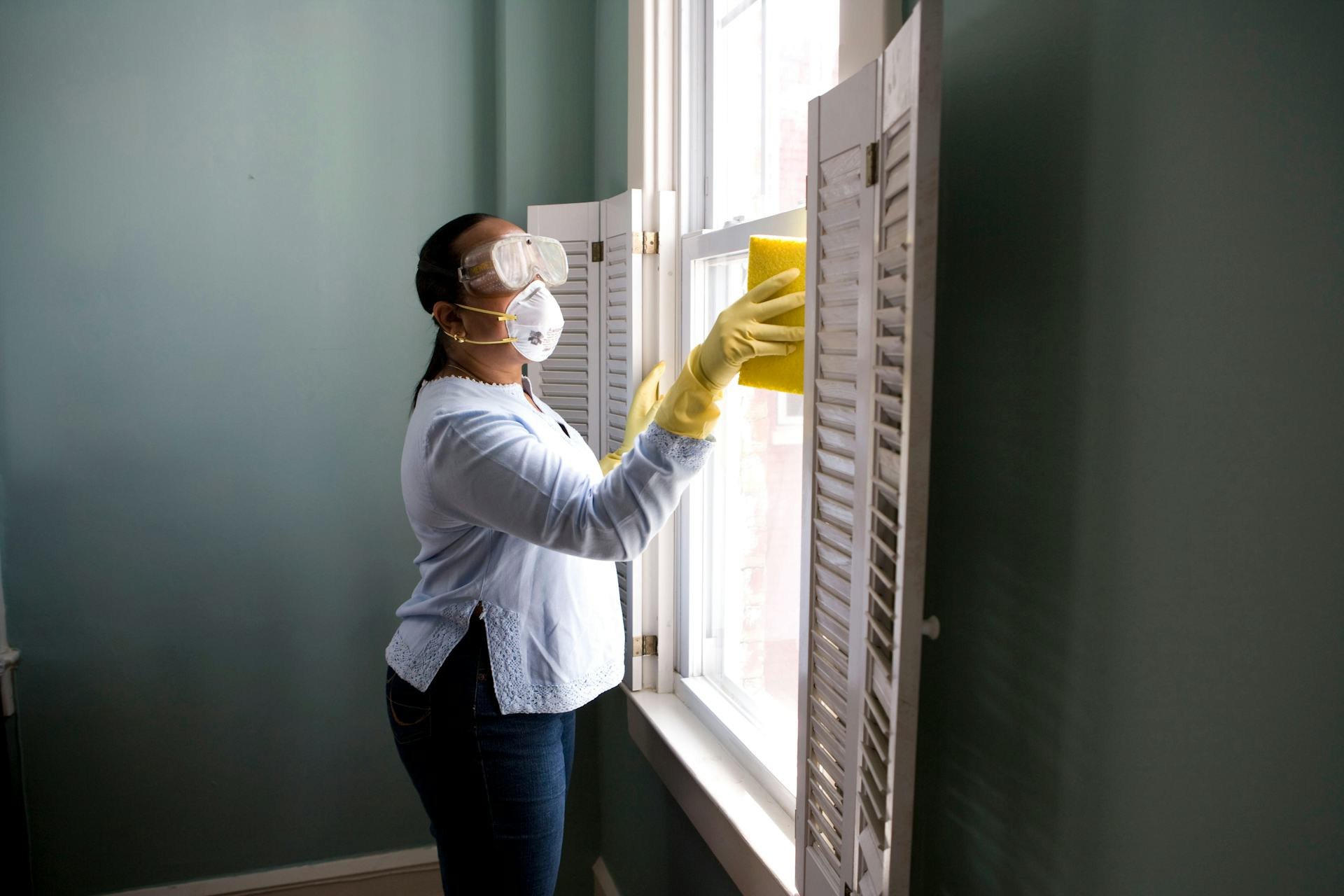
Regular cleaning is the simplest and most effective way to preserve your facade. Dirt, algae, and pollution not only dull the appearance but can also trap moisture and cause long-term damage.
Use a soft brush, mild detergent, and a garden hose for general cleaning. Avoid high-pressure washers on delicate surfaces like stucco or wood, as they can strip paint or damage the material. For mold or algae, use a cleaner designed for exterior surfaces, and apply it on a dry day so it has time to work.
Repairs and Painting – When It’s Time for a Refresh
Even the best-maintained facade will need touch-ups over time. Repair cracks in stucco or mortar as soon as you notice them to prevent water infiltration. For wood siding, repaint or restain when the surface starts to look dull or rough.
Choose products suited to your local climate – for example, UV-resistant paint in sunny regions or moisture-resistant coatings in humid areas. Breathable finishes are ideal, as they allow trapped moisture to escape and prevent peeling or mold growth.
Keep a Maintenance Log
It may seem unnecessary, but keeping a simple record of your maintenance work can save you time and money later. Note when you last cleaned, painted, or repaired your facade, and take photos if possible. This helps you track wear over time and plan future maintenance more efficiently. It can also be a selling point if you ever decide to put your home on the market.
An Investment in Your Home’s Health and Value
Facade maintenance isn’t just about looks – it’s about protecting your home’s structure and value. By making upkeep a regular part of your routine, you’ll avoid unpleasant surprises, reduce repair costs, and enjoy a home that’s both beautiful and durable.
With a clear plan, a few hours each season, and the right materials, you can keep your facade in top shape year after year – ensuring your home stays strong, safe, and welcoming for decades to come.