Energy Management Made Simple: Key Concepts Explained

Energy Management Made Simple: Key Concepts Explained
Energy management might sound like something reserved for engineers or large corporations, but in reality, it’s something that affects all of us. It’s about how we use, monitor, and optimize energy in our homes, workplaces, and communities. Whether you live in an apartment, own a house, or run a small business, understanding the basics of energy management can help you save money, reduce your carbon footprint, and make your daily life more sustainable. Here’s a simple guide to the key concepts.
What Does Energy Management Mean?
At its core, energy management is about gaining insight into how energy is used—and using that knowledge to make smarter decisions. It can be as simple as adjusting your thermostat or as complex as scheduling industrial equipment to run at off-peak hours. The goal is to use energy as efficiently as possible without sacrificing comfort or performance.
In practice, energy management follows three main steps:
- Measurement – tracking where and when energy is used.
- Analysis – identifying patterns and areas of waste.
- Action – implementing changes that reduce consumption.
When these steps are repeated regularly, they create a continuous improvement cycle that leads to more efficient energy use over time.
Energy Use and Energy Savings – Two Sides of the Same Coin
Energy use refers to the amount of energy consumed for heating, cooling, lighting, appliances, and transportation. Energy savings, on the other hand, means reducing that consumption—either by using less energy or by using it more intelligently.
A simple example is replacing old light bulbs with LEDs. You get the same brightness but use far less electricity. Similarly, better insulation, high-efficiency HVAC systems, and smart thermostats can make a big difference in both comfort and cost.
Smart Control and Automation
Today, energy management is increasingly digital. Smart systems allow you to monitor and control energy use through apps or automated sensors. A smart home can lower the temperature when you’re away or turn off lights automatically when a room is empty.
For businesses, automation can mean scheduling energy-intensive processes for times when electricity is cheaper or when renewable energy is more available. This is often called load shifting—moving energy use to different times to make better use of available power.
Energy Efficiency and Product Labels
When you buy new appliances, you’ll often see energy labels such as ENERGY STAR®. These labels indicate how efficiently a product uses energy. An ENERGY STAR-certified refrigerator, for example, uses significantly less electricity than a standard model—something you’ll notice on your utility bill over time.
Energy efficiency ratings also apply to buildings. A well-insulated home with efficient windows and heating systems not only uses less energy but is also more comfortable to live in year-round.
Renewable Energy and Self-Generation
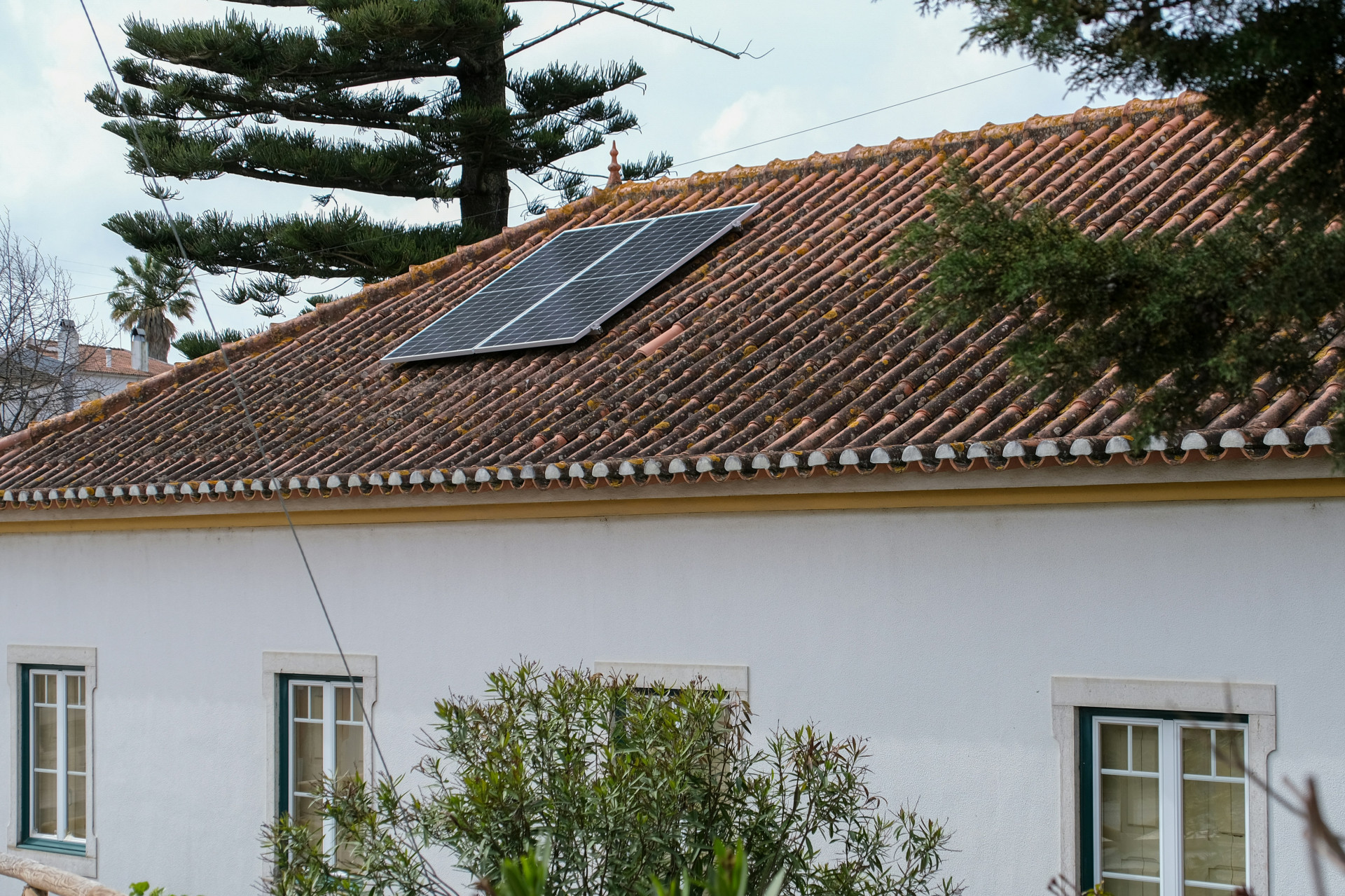
Energy management isn’t just about using less—it’s also about using cleaner energy. More homeowners across the U.S. are installing solar panels or small wind turbines to generate their own power. This is known as self-generation, and it can be combined with energy management to decide when to use or store the energy produced.
For example, a home battery can store solar energy generated during the day for use in the evening, when demand and electricity prices are typically higher. This approach maximizes the value of renewable energy and reduces dependence on the grid.
Data as the Key to Insight
Modern energy management relies heavily on data. By collecting and analyzing data about your energy use, you can uncover patterns that might otherwise go unnoticed. Maybe your electricity use spikes overnight—indicating devices left on unnecessarily—or your heating system runs too often in certain rooms.
With that information, you can make targeted improvements that save both energy and money. Many U.S. utilities now offer online dashboards or mobile apps that let you track your energy use hour by hour.
Why It All Matters
Energy management isn’t just about cutting costs—it’s about taking responsibility. Using energy more wisely reduces strain on the environment and supports a more sustainable future. At the same time, it helps create a more comfortable, stable, and predictable energy experience tailored to your needs.
Whether you start by switching to LED bulbs, installing a smart thermostat, or simply checking your energy use online, every small step counts. Energy management doesn’t have to be complicated—it’s all about understanding your energy habits and making informed choices to improve them.