Create a Rustic Look with the Perfect Blend of Plaster and Paint

Create a Rustic Look with the Perfect Blend of Plaster and Paint
A wall with rustic texture can bring warmth, depth, and personality to any space. By combining plaster and paint, you can create surfaces that feel handcrafted and full of character—perfect for today’s interior design trends that celebrate natural materials and imperfect beauty. Here’s a guide to help you achieve a rustic look using plaster and paint, whether you want a subtle play of tones or a bold, weathered finish.
Why Choose a Rustic Wall?
A rustic wall adds texture and visual interest that a smooth, uniform surface simply can’t match. The uneven finish of plaster reflects light differently throughout the day, creating a dynamic and inviting atmosphere. Depending on your color choices and technique, the result can feel calm and organic or dramatic and moody.
Rustic walls work especially well with:
- Modern farmhouse style, where they complement wood beams, vintage accents, and cozy textiles.
- Industrial interiors, where they balance metal, concrete, and exposed brick.
- Bohemian or eclectic spaces, where they enhance the layered, artistic feel.
Choosing the Right Plaster
There are several types of plaster suitable for decorative finishes. The most popular for rustic walls include:
- Venetian plaster – a fine, smooth plaster that can be polished for a soft sheen or left matte for a more natural look.
- Lime-based plaster – made from natural lime, it creates a chalky, mineral texture that feels authentic and old-world.
- Cement or microcement plaster – ideal for a raw, industrial appearance and can be used on both walls and floors.
Choose a plaster that fits the room’s function and your desired aesthetic. In bathrooms or kitchens, opt for a moisture-resistant product. In living rooms or bedrooms, focus on texture and tone.
Preparing the Wall
A beautiful finish starts with proper preparation. Make sure the wall is clean, dry, and free of dust or grease. Fill any holes or cracks and sand the surface smooth.
Next, apply a primer suited to your chosen plaster. This ensures good adhesion and even drying, which is key to achieving a consistent texture.
Applying Plaster for a Rustic Effect
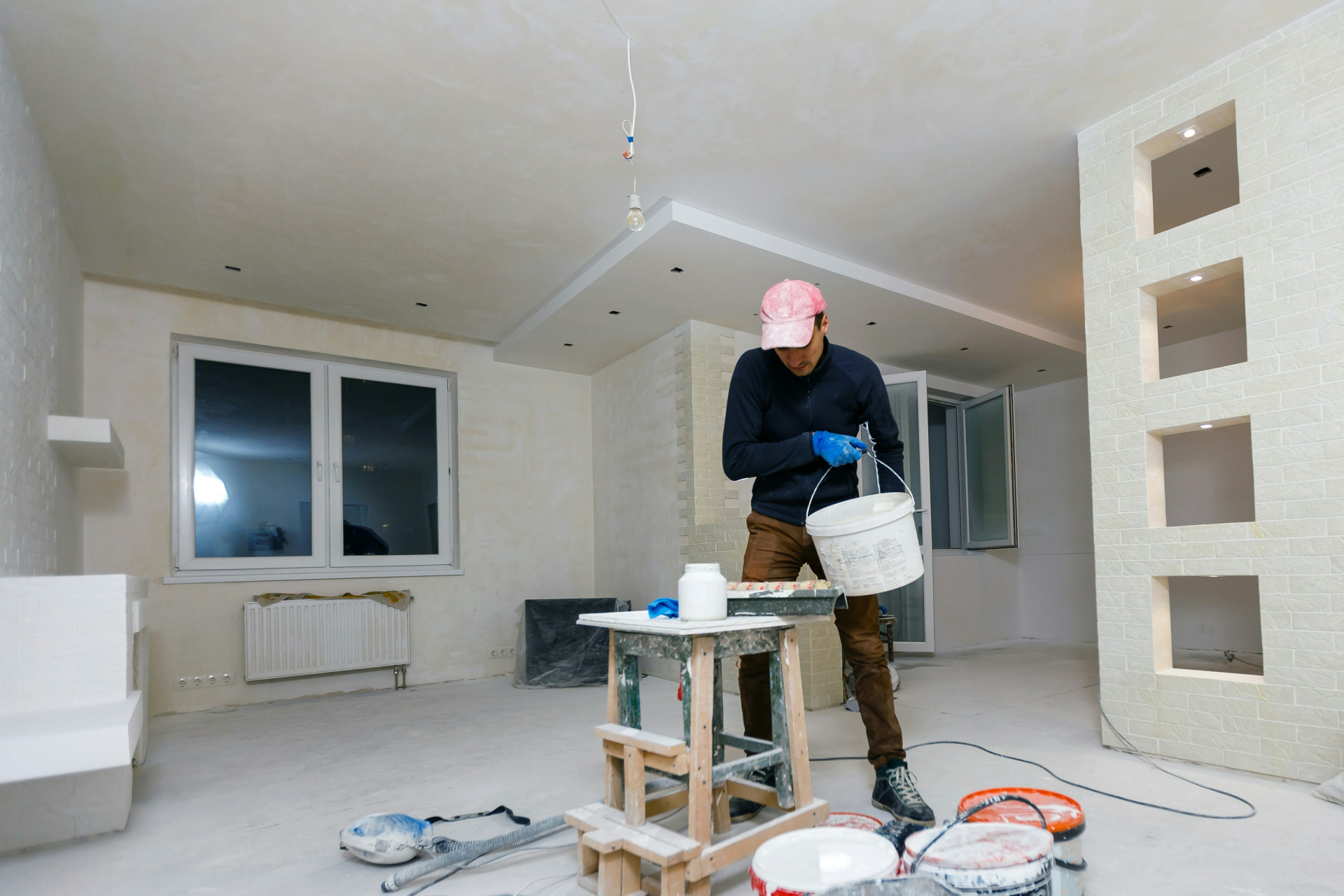
Once the wall is prepped, it’s time to apply the plaster. Use a wide trowel or steel float, and spread the material in irregular strokes. The variations in thickness and direction are what create that authentic, rustic charm.
- Work in small sections so the plaster doesn’t dry before you finish.
- Move the trowel in different directions to create organic movement.
- For a more pronounced texture, leave some areas slightly thicker than others.
After the plaster dries, you can lightly sand the surface to soften sharp edges—or leave it untouched for a raw, handcrafted look.
Painting to Enhance the Texture
When the plaster is fully dry, paint can be used to highlight its depth and texture. There are several techniques to choose from:
- Single-color paint for a calm, understated look that lets the texture shine.
- Two-tone technique, where you apply a darker base coat and a lighter top coat using a dry brush or cloth to reveal the layers beneath.
- Chalk or lime paint, which gives a matte, powdery finish that pairs beautifully with rustic surfaces.
Always test your colors on a small area first to see how they interact with the light in your space.
Maintenance and Durability
A plastered and painted wall doesn’t require much upkeep, but sealing it with a matte varnish or wax finish can help protect against dirt and moisture—especially in high-traffic areas.
For everyday cleaning, use a dry or slightly damp cloth. Avoid harsh cleaners, which can damage the surface and alter the finish.
Make It Your Own
The beauty of working with plaster and paint is that there’s no single “right” way to do it. You can create anything from soft, subtle variations to bold, textured statements. Experiment with tools, colors, and techniques until you find the look that feels right for your home.
A rustic wall can serve as a striking focal point or a quiet backdrop that enhances your furniture, art, and décor. Either way, you’ll end up with a surface full of soul and character—something truly one of a kind.