Collect Rainwater in Your Garden – A Simple and Sustainable Way to Save Water

Collect Rainwater in Your Garden – A Simple and Sustainable Way to Save Water
Collecting rainwater is one of the easiest and most effective ways to make your garden more sustainable. It helps reduce your household water use, eases pressure on local stormwater systems, and provides your plants with soft, natural water they love. With just a few simple steps, you can start harvesting rainwater—whether you live in a suburban home, a townhouse, or a rural property.
Why Collect Rainwater?
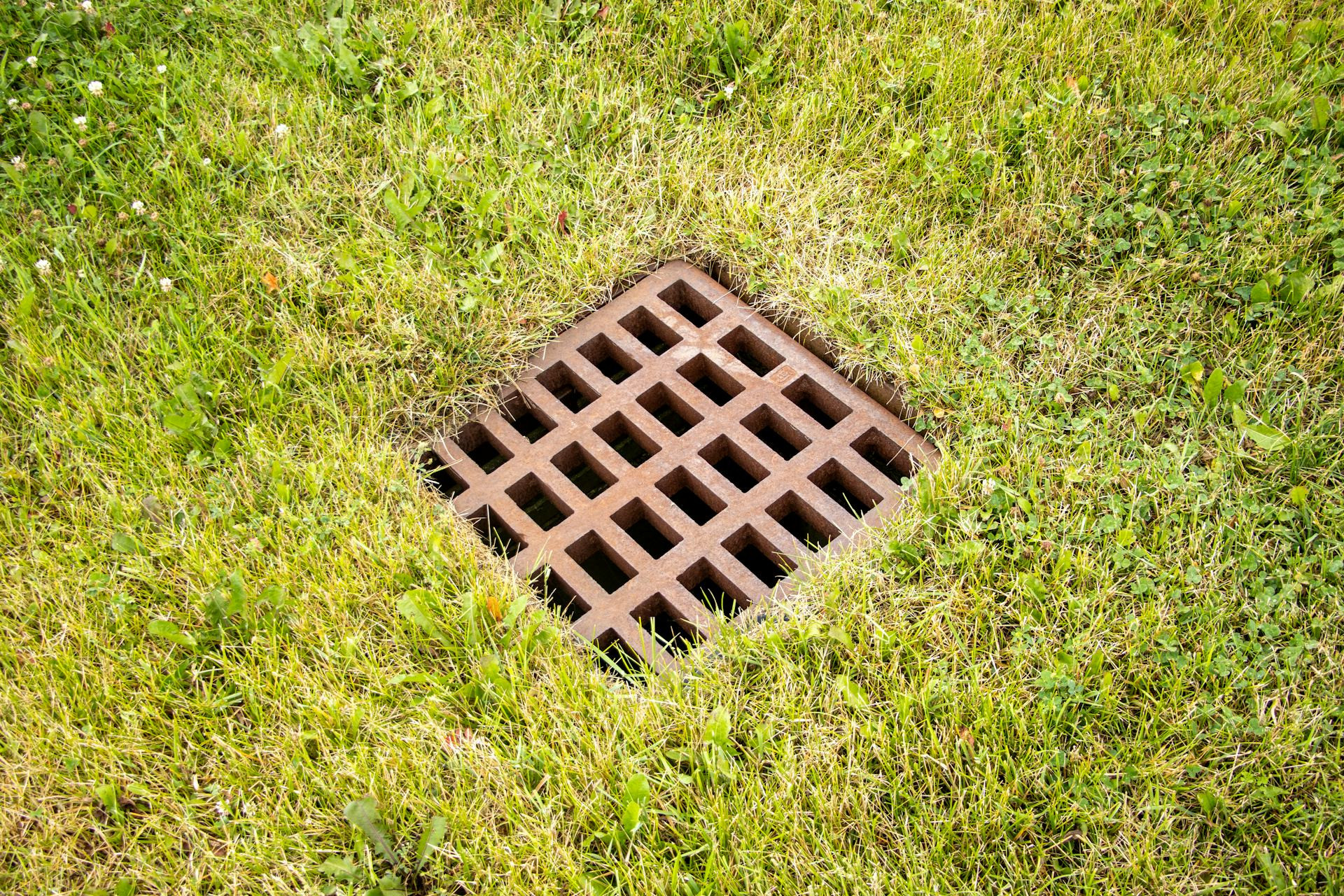
Every time it rains, large amounts of water run off roofs and driveways into storm drains. That’s a missed opportunity to use a free resource and a strain on drainage systems during heavy downpours. By collecting rainwater, you can use it for watering your garden, washing your car, or cleaning outdoor tools—saving treated drinking water for where it’s really needed.
Rainwater is naturally free of chlorine and minerals like calcium, making it ideal for plants. Many gardeners notice that flowers, vegetables, and lawns thrive when watered with rainwater instead of tap water.
How to Get Started
Setting up a rainwater collection system doesn’t require a big investment. You can start small and expand as you go.
1. Choose a Rain Barrel
The most common solution is a rain barrel connected to a downspout from your roof. Barrels come in many sizes and materials—from simple plastic containers to decorative models that blend into your landscaping. A capacity of 50–80 gallons is suitable for most home gardens.
Make sure your barrel has a secure lid to keep out mosquitoes, leaves, and debris. Many models include a spigot at the bottom so you can easily fill a watering can or attach a hose.
2. Install a Downspout Diverter or Filter
A downspout diverter channels rainwater from your gutter into the barrel and automatically redirects overflow back into the drain once the barrel is full. This prevents flooding and ensures excess water continues to flow away safely. Diverters and filters are available at most home improvement stores and are easy to install yourself.
3. Position the Barrel Properly
Place your rain barrel on a stable, level surface close to a downspout. Elevating it slightly on cinder blocks or a stand will make it easier to fill containers from the spigot. If you have multiple downspouts, consider connecting several barrels with a linking hose to increase your storage capacity.
Use Rainwater Wisely
Rainwater is perfect for watering gardens, lawns, and potted plants—especially during dry spells. You can use it directly from the barrel or connect it to a hose or drip irrigation system if you have a pump. It’s also great for rinsing garden tools, outdoor furniture, or bicycles.
However, rainwater should not be used for drinking, cooking, or washing clothes unless it’s properly filtered and treated to meet health standards.
Make It Part of Your Garden Design
Rainwater harvesting can easily be combined with other eco-friendly landscaping ideas. For example:
- Create a rain garden to capture overflow and allow it to soak naturally into the ground.
- Use permeable paving for walkways and patios so rainwater can seep into the soil instead of running off.
- Install green roofs on sheds or garages to absorb and slow down rainwater runoff.
These solutions help reduce stormwater runoff, support local ecosystems, and make your garden more resilient and vibrant.
Maintenance and Helpful Tips
To keep your rainwater system working efficiently, regular maintenance is key:
- Clean gutters and downspouts regularly to prevent blockages.
- Empty and rinse your barrel once a year, ideally before winter.
- Disconnect or drain the system before freezing temperatures to avoid damage.
A well-maintained system can last for many years and provide a steady supply of free water for your garden.
A Small Effort with a Big Impact
Collecting rainwater is a simple way to make a meaningful difference—for the environment and your wallet. You’ll reduce your water bill, conserve a valuable resource, and help prevent local flooding during heavy rains. At the same time, your garden will flourish with the natural water it was meant to have.
With just a bit of planning and a few hours of setup, you can enjoy the benefits of rainwater harvesting for years to come.