Clean Your Kitchen Drain Without Damaging the Pipes

Clean Your Kitchen Drain Without Damaging the Pipes
A slow or clogged kitchen drain is one of the most common household problems. Over time, grease, food particles, and soap residue can build up inside the pipes, causing unpleasant odors and sluggish drainage. Many people reach for harsh chemical drain cleaners, but those products can corrode pipes and harm the environment. Fortunately, there are safer and more effective ways to clean your drain—and prevent future clogs.
Understand the Problem – What’s Clogging the Drain?
In the kitchen, grease and food scraps are the main culprits. When hot, greasy water runs down the drain, the grease cools and solidifies, forming a sticky coating inside the pipes. Bits of food and debris then get trapped in that layer, gradually narrowing the passage for water.
Early signs of a developing clog include:
- Water draining slowly.
- A foul or musty odor coming from the sink.
- Gurgling sounds from the pipes.
The sooner you act, the easier it is to fix the problem without resorting to harsh chemicals.
A Gentle Cleaning Method – Step by Step
You can often clear a kitchen drain using simple household ingredients. Here’s a gentle, eco-friendly method that’s safe for both metal and PVC pipes:
- Boil about a quart of water and pour it slowly down the drain to help melt grease and loosen residue.
- Add half a cup of baking soda directly into the drain.
- Pour in half a cup of white vinegar. The mixture will fizz, helping to break down buildup.
- Let it sit for 10–15 minutes.
- Flush again with boiling water to wash away the loosened debris.
You can repeat this process once a month as a preventive measure. It’s mild, inexpensive, and effective.
Use a Plunger or Clean the P-Trap
If the drain is still slow, try using a plunger. Fill the sink halfway with water, place the plunger over the drain, and pump firmly several times. This can dislodge clogs near the surface.
If that doesn’t work, you may need to clean the P-trap—the curved section of pipe under the sink. Place a bucket underneath to catch any water, unscrew the trap carefully, and remove any gunk or food particles. Rinse the parts thoroughly before reassembling. Most homeowners can handle this simple task with minimal tools.
Avoid Chemical Drain Cleaners
Commercial drain cleaners often contain strong acids or bases that can corrode pipes, damage seals, and release harmful fumes. They’re also tough on the environment once washed down the drain. Use them only as a last resort—and never mix them with other cleaning products, as that can create dangerous chemical reactions.
If you experience frequent clogs, it may indicate a deeper issue in your plumbing system. In that case, it’s best to call a licensed plumber.
Prevent Future Clogs
The best way to keep your kitchen drain clear is to prevent buildup in the first place. Adopt these simple habits:
- Wipe grease from pans and dishes with a paper towel before washing.
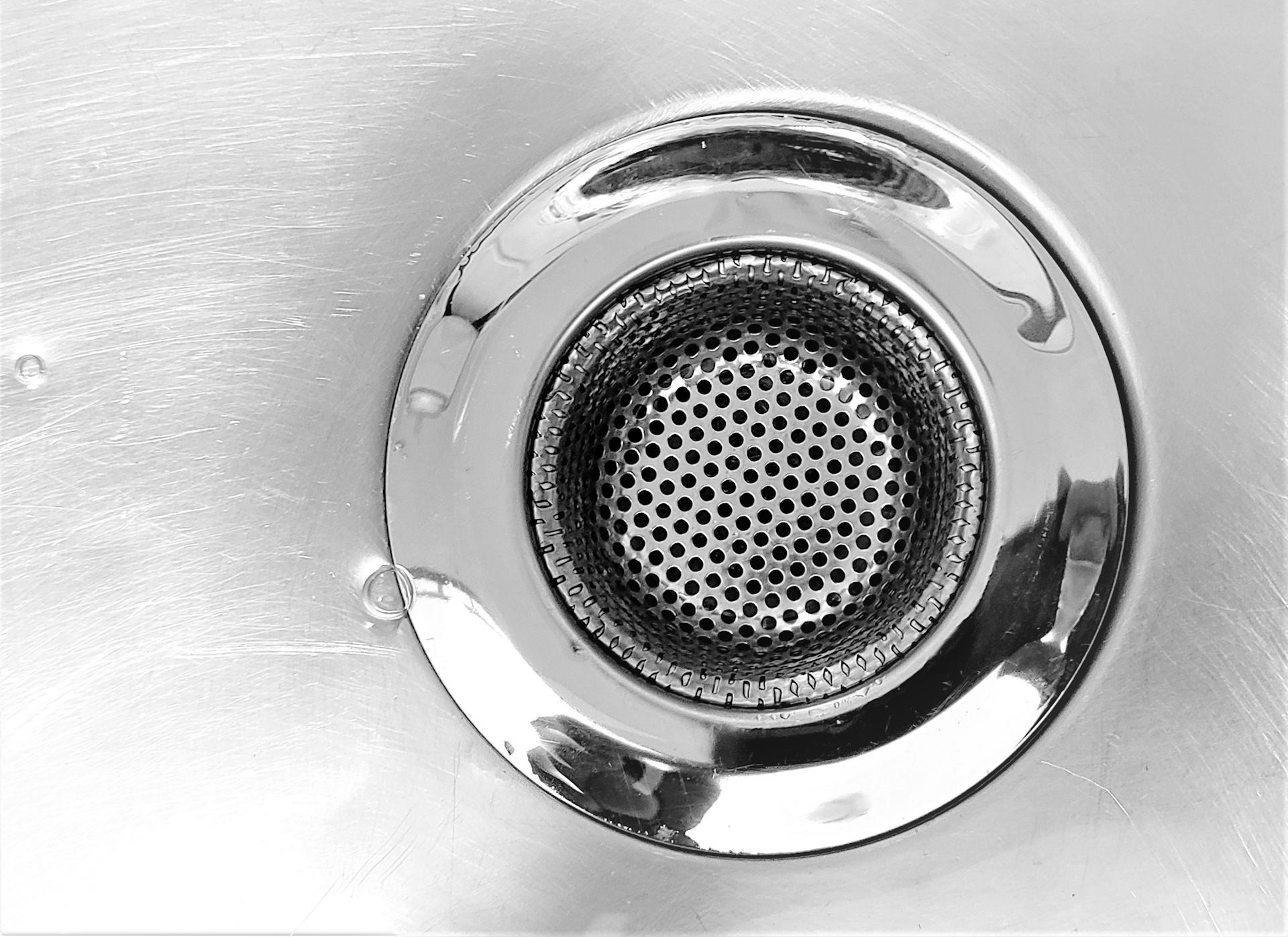
- Use a sink strainer to catch food scraps.
- Never pour oil or grease down the drain—collect it in a container and throw it in the trash.
- Flush the drain regularly with boiling water to keep residue from accumulating.
Small changes in your daily routine can make a big difference and save you from costly repairs.
When to Call a Professional
If water won’t drain at all or you’re dealing with recurring clogs, the blockage may be deeper in the plumbing system. A professional plumber has the right tools to clear the pipes thoroughly without causing damage. While it may seem like an extra expense, it’s often cheaper than repairing pipes damaged by chemicals or improper DIY methods.
A Clean Drain for a Healthy Home
A clear, odor-free drain is essential for a clean and healthy kitchen. By using gentle cleaning methods and practicing good maintenance habits, you can keep your pipes in great shape, prevent unpleasant smells, and extend the life of your plumbing. It only takes a little effort—but it makes a big difference in your home.