Changing Seasons and Energy Needs – How to Adjust Your Pet’s Feeding

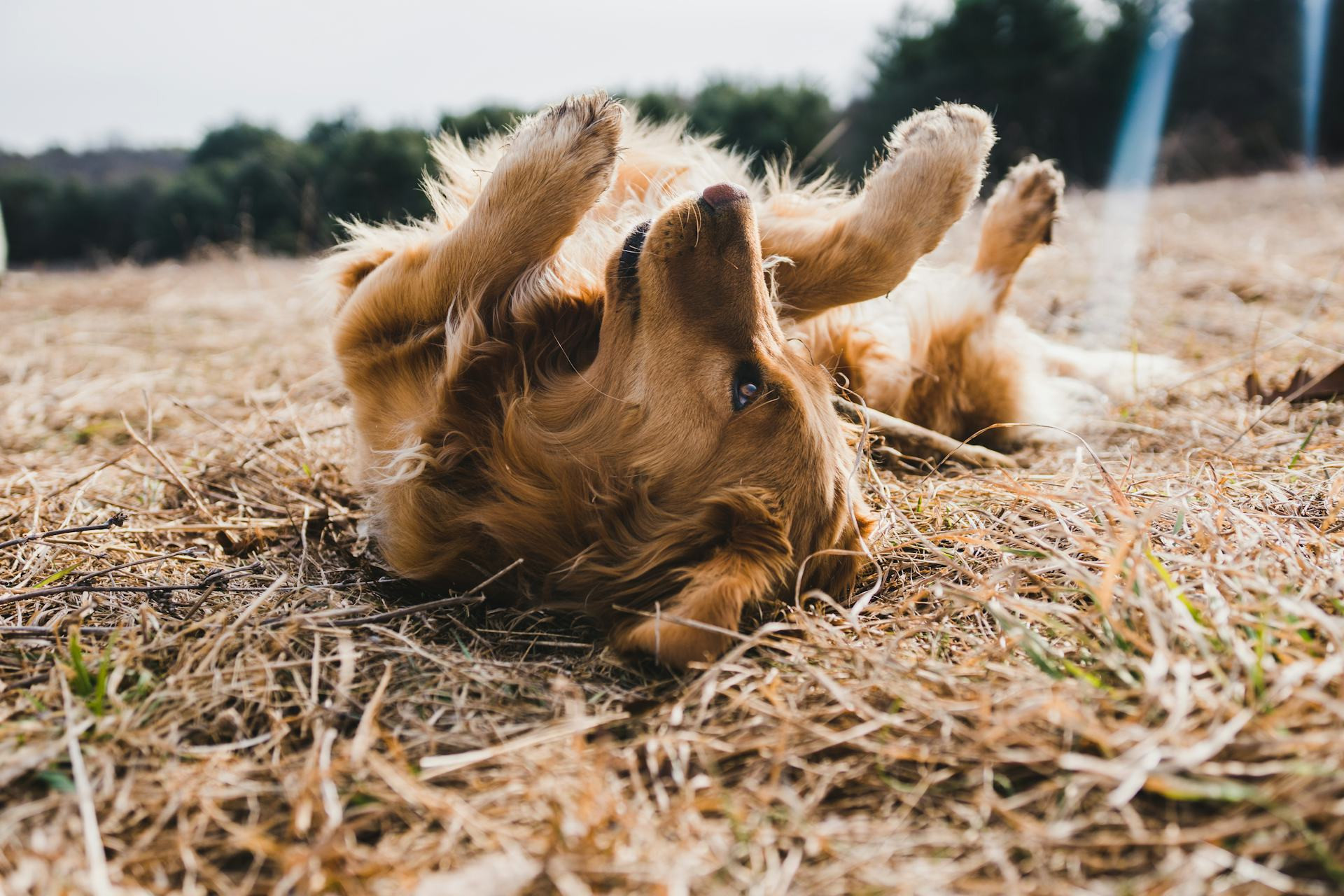
Changing Seasons and Energy Needs – How to Adjust Your Pet’s Feeding
As the seasons shift, so do your pet’s needs. Just like people eat and move differently in summer heat than in winter chill, dogs, cats, and other pets experience changes in their energy use throughout the year. By adjusting your pet’s diet to match the season, you can help maintain a healthy weight, strong immunity, and overall well-being all year long.
Why the Seasons Matter
Your pet’s energy requirements depend on several factors—age, activity level, breed, and climate. When temperatures drop, the body burns more calories to stay warm. In contrast, during hot months, many pets move less and seek shade, which lowers their energy needs.
Indoor pets, who live in climate-controlled environments, are less affected by temperature changes, but shifts in daylight and activity patterns still play a role. For example, many animals shed more in spring and fall, which requires extra nutrients to support skin and coat health.
Winter: More Energy and Nutrition
In winter, dogs that spend a lot of time outdoors often need extra calories. Their bodies work harder to maintain warmth, so a diet with slightly higher fat content can be beneficial.
- Increase food gradually if your pet loses weight in the cold.
- Choose foods with quality fat sources to provide energy without upsetting digestion.
- Keep fresh water available, even in freezing weather—many pets drink less in winter, which can lead to dehydration.
Indoor cats usually don’t need more calories, but they may benefit from added omega-3 and omega-6 fatty acids to support skin and coat health in dry indoor air.
Spring: Time for Adjustment and Coat Care
As days grow longer and temperatures rise, many pets begin to shed their winter coats. This process requires energy and nutrients—especially protein, zinc, and biotin—to promote healthy new hair growth.
- Brush regularly to remove loose fur and stimulate the skin.
- Monitor weight, as activity levels often increase with warmer weather.
- Transition gradually to lighter food if your pet gained weight over the winter.
Spring is also a great time for a wellness check—teeth, nails, and overall health—so your pet is ready for an active summer.
Summer: Less Appetite, More Hydration
In summer heat, many pets naturally eat less—and that’s okay. Their bodies don’t need as much energy when it’s hot. The key is to keep them hydrated and prevent overheating.
- Offer fresh water in multiple spots, especially for pets that spend time outdoors.
- Avoid heavy meals during the hottest part of the day.
- Consider wet food, which provides extra moisture and may be easier to eat in warm weather.
If your pet is very active in summer—on hikes, walks, or playtime—offer small, energy-rich treats instead of large meals to keep them fueled without overloading their stomach.
Fall: Transition and Preparation
Fall is a transitional season when many pets become more active again and start growing thicker coats. It’s the perfect time to adjust feeding so their bodies get the nutrients needed to prepare for winter.
- Adapt portion sizes if your pet is moving more in the cooler weather.
- Support the immune system with foods rich in antioxidants and vitamins.
- Watch weight carefully, as extra calories can quickly lead to unwanted pounds.
Fall is also ideal for resuming longer walks and outdoor play, which help maintain fitness and happiness.
How to Tell if the Diet Is Right
The best sign that your pet’s diet fits the season is a thriving animal: shiny coat, steady weight, good energy, and normal digestion. Weigh your pet regularly and adjust portions if you notice changes. Many veterinarians and pet stores offer free weight checks and feeding advice—especially helpful during seasonal transitions.
Always make dietary changes gradually over 7–10 days to avoid stomach upset.
Small Adjustments, Big Benefits
Adapting your pet’s feeding routine to the changing seasons doesn’t require major effort, but it can make a real difference in health and comfort. By paying attention to energy needs, activity levels, and climate, you’ll help your pet thrive—whether it’s the chill of winter or the heat of summer knocking at the door.