Avoid Overheating: How to Use Your Washing Machine Safely

Avoid Overheating: How to Use Your Washing Machine Safely
The washing machine is one of the hardest-working appliances in any American home. From daily laundry to heavy bedding, it handles a lot — but even the most reliable machine can overheat or malfunction if used incorrectly. Overheating can lead to costly repairs or, in rare cases, electrical fires. The good news is that a few simple habits can keep your washer running safely and efficiently for years. Here’s how to prevent overheating and protect both your appliance and your home.
Know Your Machine’s Limits
One of the most common causes of overheating is overloading. When the drum is packed too tightly, the motor has to work harder, generating excess heat. As a rule of thumb, you should be able to fit your hand comfortably on top of the clothes inside the drum — that means there’s enough space for water and detergent to circulate properly.
Keep in mind that different fabrics weigh differently. A load of towels or blankets is much heavier than a load of shirts or sheets. Always follow the manufacturer’s recommendations for maximum load weight, which you can find in your user manual or on the machine’s label.
Ensure Proper Ventilation
Washing machines generate heat during cycles, especially when heating water or spinning at high speeds. If your washer is installed in a small laundry room, closet, or basement, make sure there’s enough airflow around it. Leave a few inches of space behind and on each side of the machine to allow heat to dissipate.
If your washer is in an enclosed area, keep the door open during and after use to help with ventilation and to prevent moisture buildup and mold growth.
Clean the Filter and Drain Regularly
A clogged filter or drain can make the motor work harder, increasing the risk of overheating. Lint, hair, and fabric fibers can accumulate over time, especially if you wash items like towels, fleece, or pet bedding. Check and clean the filter at least once a month.
Always unplug the machine before cleaning the filter, and keep a towel or shallow pan handy — a small amount of water may spill out when you open it.
Use the Right Settings and Temperatures
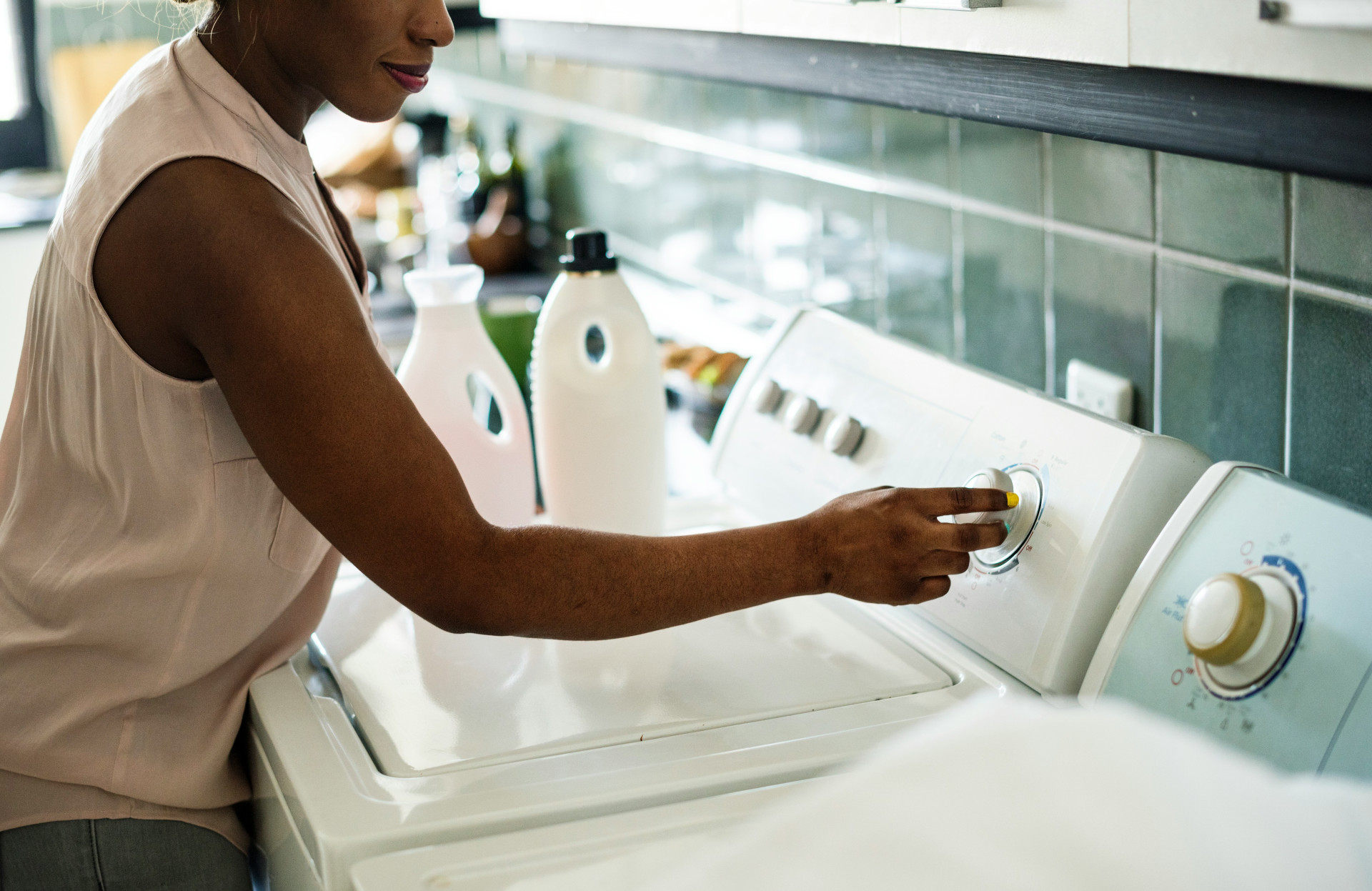
It might seem like hot water cleans better, but modern detergents are designed to work effectively in cooler water. Washing most clothes in warm or cold water not only saves energy but also reduces heat buildup inside the machine.
Reserve high-temperature cycles for items that truly need it, such as bedding, towels, or heavily soiled fabrics. Lower temperatures are gentler on both your clothes and your washer.
Watch for Warning Signs
If your washing machine starts to smell like something is burning, makes unusual noises, or stops mid-cycle, it could be overheating or experiencing an electrical issue. Turn it off immediately, unplug it, and let it cool down. Contact a qualified appliance technician before using it again.
Never ignore strange sounds, vibrations, or odors — they’re often early warnings that can prevent bigger problems later.
Use Electricity Safely
Washing machines draw a lot of power, so it’s important to plug them into a grounded outlet. Avoid using extension cords or power strips, as they can overheat under heavy loads. If you live in an older home, consider having an electrician check that your wiring can handle modern appliances.
Also, make sure the power cord isn’t pinched or bent behind the machine. Damaged cords can cause short circuits or electrical fires.
Give Your Washer a Break
If you’re doing multiple loads back-to-back — for example, after a vacation or during a big laundry day — give your machine a short rest between cycles. A 20–30 minute break allows the motor to cool down and prevents overheating.
Safe Laundry Habits Pay Off
Using your washing machine safely isn’t just about avoiding accidents — it’s about getting the best performance and longevity from your appliance. With regular maintenance, proper loading, and attention to ventilation and power use, you can keep your washer running smoothly and safely.
A well-cared-for washing machine doesn’t just clean your clothes — it helps keep your home safe and your energy bills low.